 Call us now:

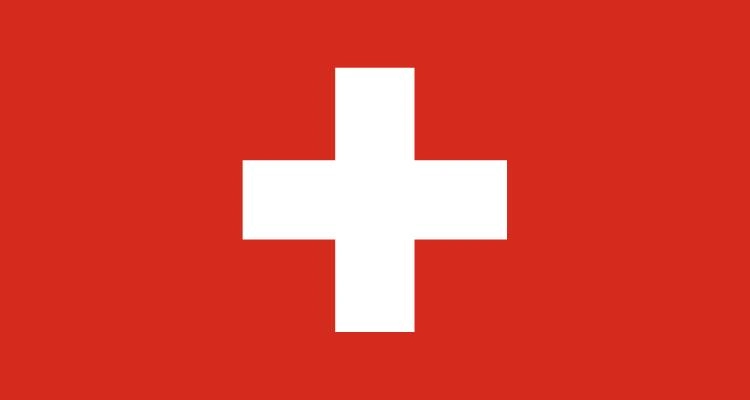
Switzerland — LDI
—
Liberal Democracy Index (0–100)
The Democracy Index Score
Switzerland democracy scores 8.46 out of 10
Switzerland’s score in the democracy index is always high, most often over more than 8.0 out of 10. The high score is a reflection that it is a full democracy. The reasons for the high performance are the political system’s stability, healthy civil liberties, and citizens’ confidence in the government. Switzerland performs very well in electoral processes, civil liberties, and even political culture.
Many international students frequently ask, is switzerland a country or part of a larger European union? The switzerland country profile proves it operates as a completely independent, sovereign state. It sits in the heart of Central Europe but firmly refuses to join the European Union.
If you study politics in switzerland, you quickly realize it possesses one of the most unique political structures on earth. The switzerland political system prioritizes consensus, decentralization, and active citizen participation above all else.
We will explain exactly what type of government is switzerland running today. We cover everything from the unique swiss government structure to the most pressing problems in switzerland. You will learn exactly how free is switzerland and why so many political scientists study its constitution.
What Type Of Government Does Switzerland Have?
To answer what type of government does switzerland have, we must examine its federal constitution. The nation operates as a federal directorial republic with strong elements of direct democracy. This specific structure defines the exact switzerland government type.
When people search for switzerland forms of government, they often confuse it with standard parliamentary systems. Unlike Denmark or New Zealand, this country does not have a single prime minister or a powerful president. The executive power divides equally among seven individuals.
If you wonder what kind of government does switzerland have at the regional level, you must understand its cantons. The country divides into twenty-six distinct cantons. These cantons hold massive political power and operate almost like independent mini-states within the federal republic.
The Executive Branch: The Federal Council
The heart of the government of switzerland beats inside the Federal Council. This seven-member council acts as the collective head of state and head of government. Parliament elects these seven members to serve four-year terms.
You might ask, what is switzerland’s government doing without a president? The council members rotate the title of President of the Swiss Confederation every single year. However, this president holds no special authority over the other six members and simply chairs their meetings.
This unique switzerland government structure forces political rivals to govern together. The council usually includes representatives from the four largest political parties. This mandatory coalition prevents any single party from dominating the swiss political system.
The Legislative Branch And The Federal Assembly
The political system in switzerland features a bicameral legislature known as the Federal Assembly. This assembly writes the federal laws and oversees the federal budget. It contains the National Council and the Council of States.
The National Council serves as the lower house. It contains 200 members elected through a proportional representation system. The population size of each canton determines how many representatives it sends to this chamber.
The Council of States acts as the upper house. It contains 46 members who represent the cantons directly. Each full canton elects two representatives, regardless of its total population size. You see a very similar upper house design in Argentina and the United States.
Is Switzerland A Direct Democracy?
When analyzing the type of government switzerland uses, you cannot ignore the voters. If you ask, is switzerland a direct democracy, the answer requires nuance. It operates as a semi-direct democracy because citizens elect representatives but retain massive veto powers.
Citizens can challenge any law passed by the Federal Assembly. If opponents collect 50,000 signatures within 100 days, the law goes to a national referendum. The voters then decide directly whether to accept or reject the legislation.
Popular Initiatives And Constitutional Change
The form of government in switzerland also allows citizens to propose new constitutional amendments. If a group collects 100,000 signatures within eighteen months, they trigger a popular initiative. The entire nation votes on this specific citizen-drafted proposal.
“The constant threat of a referendum forces Swiss politicians to draft moderate laws that the majority of the population will accept, creating extreme legislative stability.”
Because of these tools, voters head to the polls up to four times every year. This massive civic engagement defines true switzerland democracy. Politicians cannot ignore the public will without facing immediate electoral defeat.
Is Switzerland A Free Country? Freedom Scores
Global watchdogs consistently monitor the switzerland government. If you wonder is switzerland a free country, the data provides a clear and positive answer. Freedom House classifies the nation as completely “Free”.
In their 2024 and 2025 reports, Freedom House awarded the country 96 out of 100 points. The state protects civil liberties fiercely and guarantees entirely transparent elections.
| Freedom Category | Maximum Points | Switzerland Score |
| Political Rights | 39 | 40 |
| Civil Liberties | 57 | 60 |
| Total Global Freedom | 96 | 100 |
Independent journalists criticize the swiss politics establishment without any fear of state censorship. You see this exact same level of total press freedom in Nordic countries like Norway and Sweden. The judicial system operates completely independently from the executive branch.
Swiss Political Parties And Elections
The switzerland political system features a highly fragmented multi-party environment. No single party ever wins an absolute majority in the parliament. Swiss political parties must constantly build consensus to pass any meaningful legislation.
The Swiss People’s Party (SVP) dominates the right-wing space and pushes strict immigration controls.
The Social Democratic Party (SP) leads the left-wing block and champions strong welfare policies.
The Centre (formerly CVP/BDP) represents moderate, pragmatic voters.
The Free Democratic Party (FDP) advocates for pro-business policies and lower taxes.
The Green Party focuses heavily on climate action and environmental protection.
These factions battle fiercely during election campaigns. However, once the election ends, they must cooperate within the Federal Council. This structural necessity shapes all forms of government in switzerland.
Is Switzerland Conservative Or Socialist?
Foreigners often misunderstand the local political culture. People frequently ask, is switzerland conservative on social issues? Historically, the country moved very slowly on major social reforms.
For example, the country only granted women the right to vote in federal elections in 1971. This happened decades after progressive nations like Finland and Iceland. Today, the rural cantons remain highly conservative, while major cities like Zurich and Geneva vote progressively.
Is Switzerland A Socialist Country?
Others search online asking, is switzerland a socialist country? The answer is a definitive no. The nation operates one of the most successful capitalist free-market economies in human history.
The switzerland government system protects private property rights and maintains relatively low corporate tax rates. The state avoids the heavy-handed economic planning seen in actual socialist states. However, the government mandates universal healthcare coverage through heavily regulated private insurance companies.
Current Problems In Switzerland
Despite its massive wealth, the nation faces severe internal friction. If you research problems in switzerland, economic pressures dominate the headlines. The swiss government structure frequently struggles to implement quick solutions to modern crises.
Healthcare costs represent the biggest daily challenge for average families. Health insurance premiums rise significantly every single year. Voters frequently launch popular initiatives to cap these costs, forcing the government in switzerland to constantly debate health reforms.
The aging population creates another massive financial headache. The government recently held a popular vote to grant a “13th-month” pension payment to retirees. Finding the tax revenue to fund this popular new benefit divides the political establishment deeply.
Immigration And Relations With Europe
If you analyze what government is switzerland prioritizing, immigration control sits at the very top. Over twenty-five percent of the permanent resident population holds foreign citizenship. The right-wing SVP frequently launches initiatives to limit population growth and restrict asylum policies.
The nation also struggles to define its relationship with the European Union. The switzerland type of government relies on a complex web of bilateral treaties with Brussels. Negotiations to update these treaties frequently stall because Swiss voters fear losing their national sovereignty.
This diplomatic hesitation mirrors the fierce independence we see in Colombia or India. The citizens demand economic access to foreign markets but refuse to accept foreign courts dictating their domestic laws.
Foreign Policy And Neutrality
Global wars force the government of switzerland to rethink its historical neutrality. Following international conflicts, the state adopted European Union sanctions against Russia. This unprecedented decision sparked intense debate regarding the true meaning of Swiss neutrality.
Many conservative politicians argue the country must remain entirely isolated from foreign conflicts. Other leaders argue that true neutrality requires defending international human rights laws. This ongoing debate heavily influences the current switzerland politics agenda.
Why Is Switzerland The Best Government?
Many political scientists ask, why is switzerland the best government model in the world? While no system works perfectly, this model provides extreme long-term stability. The consensus-driven approach prevents violent political polarization.
When you review what form of government does switzerland have, you see a system built to prevent dictatorship. Power diffuses across the cantons, the Federal Council, and the voters themselves. If a politician makes a terrible decision, the voters simply launch a referendum to cancel it.
If you study highly polarized systems like Greece or the Philippines, you appreciate the quiet efficiency of the Swiss model. The citizens trust their institutions because those institutions operate with absolute transparency.
The Future Of The Swiss Political System
The type of government in switzerland faces serious challenges in the coming decade. The slow legislative process struggles to match the speed of modern technological and geopolitical crises. Sometimes, the country requires years to pass simple reforms.
Yet, this slowness acts as a protective shield against populist panic. The what government does switzerland have debate will continue as younger voters demand faster action on climate change. A recent international court ruled that the state violated human rights by failing to protect its citizens from climate impacts.
Despite these hurdles, the republic remains incredibly strong. The switzerland form of government adapts slowly but surely to the demands of its citizens. As long as the voters continue to exercise their direct democratic rights, the nation will maintain its position as a global beacon of freedom.