 Call us now:

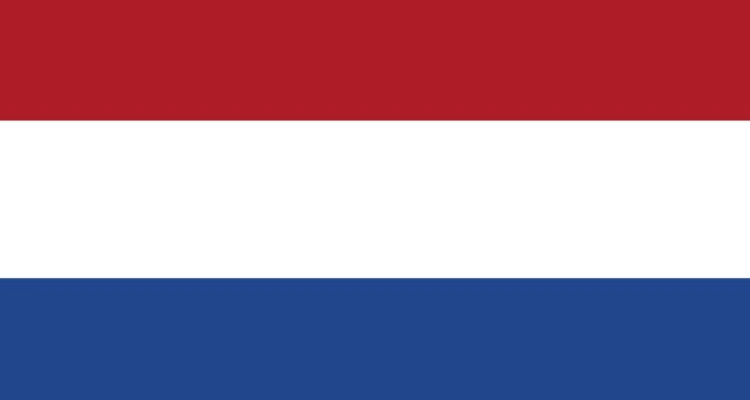
Netherlands — LDI
—
Liberal Democracy Index (0–100)
The Netherlands’ Democracy Score
The Netherlands democracy scores 8.32 out of 10
The democracy index score of the Netherlands consistently comes at the topmost level of global rankings, repeatedly placing above 8.0 out of 10. This near-perfect score keeps the country firmly within the category of a perfect democracy. Such an exceptional performance is a testament to its highly effective political system, robust civil liberties, and high trust in government institutions. The score reflects a high degree of transparency and accountability in all democratic activities.
Many people search for facts about politics of the netherlands every day. If you ask, is the netherlands a democracy, the answer remains a definitive yes. The country operates one of the most stable democratic systems in Western Europe.
We will explain exactly what type of government does the netherlands have today. You will learn about the netherlands political system and the sudden changes in national leadership. We also cover the most pressing netherlands problems driving citizens to the voting booths.
Understanding politics in the netherlands requires looking at its modern constitution. We detail exactly how the netherlands government functions at both the federal and local levels.
What Type Of Government Does The Netherlands Have?
To answer what government does the netherlands have, we must examine its official structure. The nation operates as a parliamentary constitutional monarchy. This specific framework defines the exact netherlands government type.
A monarch serves as the official head of state. King Willem-Alexander currently holds this royal title. However, he exercises almost no independent political power.
The constitution grants the real executive authority to the council of ministers. The monarch simply signs laws and performs ceremonial diplomatic duties. You see a very similar constitutional monarchy functioning in Denmark or Sweden.
The Executive Branch Of The Government Of Netherlands
The government of netherlands centers its power on the prime minister. The prime minister acts as the head of government and directs all national policy. Citizens witnessed massive shifts in this office recently.
In 2024, a netherlands right wing coalition took power under Prime Minister Dick Schoof. However, this coalition collapsed completely in mid-2025 over severe asylum policy disputes. This collapse triggered rapid snap elections across the nation.
In February 2026, Rob Jetten took the oath of office as the youngest prime minister in Dutch history. He leads a new centrist coalition within the government in netherlands. The prime minister must constantly negotiate with his coalition partners to pass the federal budget.
The Netherlands Political System Explained
The netherlands political system revolves around a bicameral parliament called the States General. The parliament writes all federal laws and checks the power of the prime minister. It contains the House of Representatives and the Senate.
The House of Representatives serves as the lower and more powerful chamber. It contains 150 members elected directly by the public. The country uses a highly proportional representation voting system.
This voting method ensures that the parliament perfectly reflects the national popular vote. Even small single-issue parties win seats and influence the netherlands government. You see similar proportional systems shaping the politics of Switzerland and Iceland.
The Senate acts as the upper chamber with 75 members. Provincial councils elect these senators every four years. The Senate primarily reviews legislation passed by the lower house to ensure constitutional compliance.
Local Governance And Amsterdam Politics
When you study the netherlands government type, you must also look at regional authority. The state divides the nation into twelve distinct provinces. These provinces manage regional environmental policies and major transport infrastructure.
Municipalities form the third level of government. The country contains over 340 municipalities that handle local schooling, housing, and social welfare. Local elections often reveal shifting national trends before federal elections occur.
If you follow amsterdam politics, you see a heavy focus on progressive urban policies. The capital city constantly battles issues like housing shortages and over-tourism. Local leaders implement strict regulations to manage short-term rentals and protect the local housing market for residents.
Is The Netherlands A Free Country? Freedom Scores
Global watchdogs consistently monitor civil liberties across Europe. If you look at international reports, the nation scores exceptionally high. Freedom House classifies the country as completely “Free”.
In recent reports, Freedom House awarded the country 97 out of 100 points. The state protects free speech and guarantees entirely transparent elections.
| Freedom Category | Maximum Points | Netherlands Score |
| Political Rights | 40 | 39 |
| Civil Liberties | 60 | 58 |
| Total Global Freedom | 100 | 97 |
Independent journalists investigate politicians without any fear of state censorship. The judicial system operates completely independently from the executive branch. This level of institutional trust mirrors the stability found in Norway.
Netherlands Human Rights And Civil Liberties
While the freedom scores remain high, organizations still track specific netherlands human rights concerns. The constitution strictly bans discrimination and protects religious freedom. However, practical enforcement sometimes fails vulnerable groups.
Watchdogs recently criticized the government for using discriminatory risk models in its welfare system. Authorities used automated algorithms that disproportionately targeted minority families for fraud investigations. This massive scandal destroyed public trust in the federal tax authority.
Advocacy groups also highlight the treatment of asylum seekers as a major human rights concern. Crowded detention centers fail to provide adequate living conditions for refugees. Fixing this broken asylum system remains one of the top priority netherlands issues today.
Current Issues In The Netherlands
The rapid changes in leadership reflect deep social anxieties. If you research current issues in the netherlands, immigration control dominates the national debate. The previous netherlands right wing government fell specifically because they could not agree on strict asylum quotas.
Economic pressures create other severe netherlands problems. High inflation dramatically increased the cost of basic food and energy over the past two years. Labor unions frequently threaten massive strikes to demand higher wages for essential workers.
The nationwide housing shortage frustrates millions of young professionals. Developers cannot build new homes fast enough to meet the growing population demand. The government constantly struggles to implement effective rent control policies.
Current Conflicts In The Netherlands
Beyond the economy, environmental regulations spark intense current conflicts in the netherlands. The state faces a massive “nitrogen crisis” that threatens the entire agricultural sector. Federal courts ordered the government to drastically reduce nitrogen emissions to protect nature reserves.
To meet these targets, the government attempted to force farmers to shrink their livestock herds. Farmers organized massive tractor protests that blocked major highways and supply chains. They formed their own political party to fight these environmental mandates in parliament.
These aggressive environmental debates shape modern politics in the netherlands. Urban voters demand strict climate action, while rural voters demand economic protection. The new centrist prime minister must find a workable compromise between these two angry groups.
The Future Of Politics Of The Netherlands
When we review what type of government does the netherlands have, we see a highly adaptable system. The republic survives intense political fragmentation by forcing rival parties to build coalitions. Politicians must compromise to keep the state functioning.
The netherlands political system provides all the tools necessary for course correction. The independent judiciary actively investigates political overreach. The active civil society demands transparency through daily protests and aggressive journalism.
The citizens will continue to shape their nation through active democratic participation. As long as voters hold their leaders accountable, the nation will maintain its position as a global standard for freedom.