 Call us now:

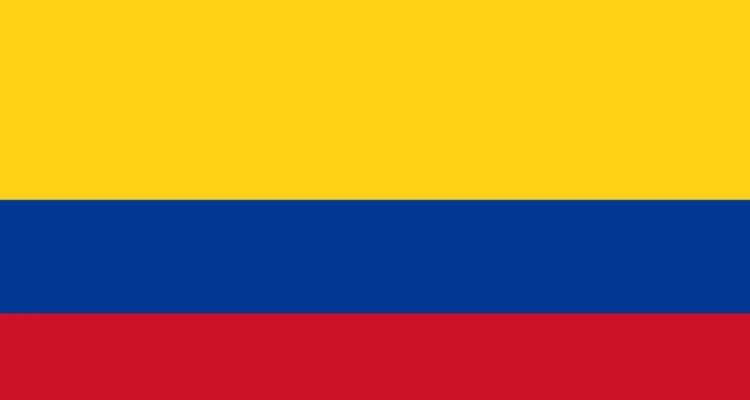
Colombia — LDI
—
Liberal Democracy Index (0–100)
Democracy Level
Colombia democracy scores 5.87 out of 10
Colombia is a flawed democracy. While it has strong democratic features like free elections, it also faces significant challenges that affect the functioning of its institutions. Despite making progress in strengthening its democracy, the country still deals with issues like corruption, inequality, and political violence in certain regions.
Many English speakers search for the Columbia country profile using the wrong spelling. If you wonder about Colombia vs Columbia, the correct spelling for the South American nation is always Colombia.
Tourists often ask, is Colombia a country or a territory? The country of Colombia operates as a fully independent sovereign state in South America. The country Colombia boasts a rich cultural history and a highly complex political environment.
When examining Colombia politics, you must look at its historical foundation. You might ask, is Colombia a democracy today? Yes, it functions as a representative democratic republic, though it faces unique internal challenges.
We will explain exactly what type of government does Colombia have right now. We cover everything from the Colombia political system to deep-rooted corruption in Colombia. You will learn exactly what drives the Colombia political situation today.
What Type Of Government Is Colombia?
To answer what type of government is Colombia, we examine its 1991 constitution. The nation operates as a unitary, presidential, and democratic republic. This defines the exact Colombia government type.
When people search for what kind of government does Colombia have, they often compare it to European systems. Unlike the parliamentary systems in Denmark or Finland, Colombia relies on a strong executive branch. The president acts as both the head of state and the head of government.
If you study what type of government does Columbia have (using the common misspelling), you see a strict separation of powers. The government in Colombia divides into executive, legislative, and judicial branches.
The Executive Branch And Colombia’s President
The Colombian government centers massive power in the presidency. Colombia’s president directs all foreign and domestic policy. Citizens elect the president directly for a four-year term.
In 2022, voters elected Gustavo Petro as president. His election changed the political situation in Colombia dramatically. He became the first left-wing president in the recent history of the nation.
He currently leads the Colombia government and manages the national budget. The president appoints all cabinet ministers directly. However, the constitution prohibits any president from seeking re-election for a consecutive term.
The Legislative Branch And Colombia Political Parties
The type of government in Colombia features a bicameral legislature known as the Congress of the Republic. This Congress contains two chambers: the Senate and the Chamber of Representatives.
Colombian politics rely heavily on a multi-party system. No single party ever wins an absolute majority in Congress. Colombia political parties must constantly form shifting coalitions to pass any new laws.
The Historic Pact represents the current left-wing ruling coalition.
The Democratic Center usually leads the conservative opposition.
The Liberal Party and Conservative Party hold deep historical influence.
Smaller independent parties often act as crucial swing votes.
This fragmented legislature forces constant negotiation. You see a similar necessity for coalition-building in New Zealand, though the specific voting mechanics differ greatly.
Is Colombia A Free Country? Freedom Scores
Global watchdogs monitor civil liberties across South America constantly. If you ask, is Colombia a free country, you must look at the data. Freedom House classifies the nation as “Free” overall.
In their 2024 report, Freedom House awarded the country 70 out of 100 points. The state generally respects freedom of speech and the press. However, journalists reporting on Columbia politics or local crime frequently face severe threats from illegal armed groups.
| Freedom Category | Maximum Points | Colombia Score |
| Political Rights | 40 | 31 |
| Civil Liberties | 60 | 39 |
| Total Global Freedom | 100 | 70 |
While the legal framework protects civil rights, enforcement remains weak in rural areas. The state struggles to project authority outside major cities. This gap creates massive issues in Colombia regarding human rights protection.
Major Problems In Colombia: Violence And Security
Despite its democratic structure, the nation faces severe internal crises. If you research problems in Colombia, violence tops the list. Various non-state armed groups wage an ongoing conflict against the government and each other.
These illegal groups fund their operations through drug trafficking and illegal mining. The Columbia problems regarding organized crime destabilize entire rural regions. Thousands of citizens suffer forced displacement from their homes every single year.
Internal Conflict And Peace Efforts
When reviewing Colombia 2023 and 2024, the government pushed an ambitious “Total Peace” strategy. The president attempted to negotiate ceasefires with multiple armed factions simultaneously.
The government signed a historic peace accord with the FARC guerrilla group back in 2016. This agreement formally ended a five-decade war. However, the state failed to implement many key provisions regarding rural development.
This failure allowed new criminal groups to fill the power vacuum quickly. These Colombia issues prove incredibly difficult to solve today. Dissident guerrilla factions continuously violate the ceasefires and fight brutally over territorial control.
The civilian population bears the brunt of this violence. Community leaders and environmental activists face constant assassination attempts. Protecting these vulnerable leaders remains one of the most urgent current issues in Colombia.
Social Issues In Colombia
Economic inequality drives massive citizen frustration. If you analyze social issues in Colombia, the wealth gap stands out immediately. A small elite controls most of the land and capital, while millions live in severe poverty.
High inflation and unemployment frequently trigger nationwide protests. The Colombia social issues force the government to constantly adjust its economic policies. Labor unions and student groups organize massive strikes to demand better wages and public services.
The Economy And Currency Concerns
Citizens worry constantly about the weakening local currency. International investors sometimes check exchange rates using very small denominations, searching things like 129 pesos to dollars. Currently, 129 Colombian pesos equal roughly three cents in United States currency.
This weak exchange rate increases the cost of imported goods. It puts massive pressure on average families trying to buy basic groceries. Managing inflation ranks high among the top political issues in Colombia.
Political Corruption In Colombia
Voters demand immediate solutions for state graft. If you ask, is Columbia corrupt, you will find deep public cynicism. Colombia corruption occurs across multiple levels of public administration.
Graft scandals frequently rock the Colombia politica establishment. Politicians sometimes divert public funds intended for infrastructure or healthcare into private bank accounts.
Fighting The Corruption Crisis
Despite the widespread corruption in Colombia, the judicial system does fight back. Independent judges and prosecutors actively investigate high-level officials. The courts frequently secure convictions against corrupt mayors, governors, and even federal lawmakers.
The active civil society also uses transparency laws to expose shady government contracts. Independent media outlets publish investigative reports that force politicians to resign. This constant pushback proves the resilience of the Colombia political framework.
Reviewing Colombia Government Facts
When we review basic Colombia government facts, we see a nation in transition. The government possesses the institutional capacity to check executive power. The Supreme Court frequently strikes down unconstitutional presidential decrees.
However, the Colombia current issues test the limits of the state. The government must defeat illegal armed groups while simultaneously reducing extreme poverty.
The type of government in Colombia provides the tools needed for reform. The citizens participate actively in elections and demand accountability. As long as the public remains engaged, the nation will continue fighting to consolidate its democratic gains.