 Call us now:

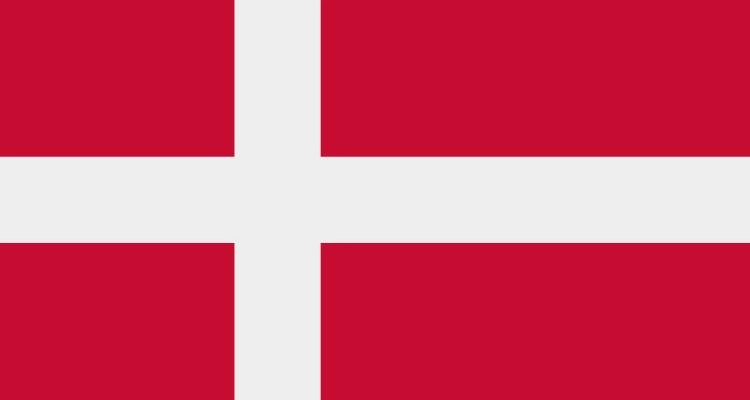
Denmark — LDI
—
Liberal Democracy Index (0–100)
Democracy Index Score
Denmark democracy scores 8.55 out of 10
Denmark’s democracy index score is usually at the highest, often more than 8.0 out of 10. The score definitely places it in the group of full democracies. It measures exactly how well Denmark’s political system is performing with excellent civil liberties and high trust between government and citizens.
Many tourists and students search online asking, is denmark a country or a territory? The denmark country profile confirms it operates as a fully sovereign state in Northern Europe. It borders Germany to the south and shares maritime borders with Sweden and Norway.
If you want to understand danish politics, you must look at its historical foundation. The denmark political landscape ranks among the most stable and transparent in the entire world. Citizens enjoy massive political rights and a very high standard of living.
We will explain exactly what type of government does denmark have today. We cover everything from the main branches of power to strict denmark gun laws. You will learn exactly what kind of government does denmark have and how it impacts daily life.
What Type Of Government Is Denmark?
To answer what type of government is denmark, we examine its constitution. The nation operates as a parliamentary representative democratic constitutional monarchy. This defines the exact denmark government type.
When people ask what government does denmark have, they often confuse the roles of the monarch and the elected leaders. A monarch serves as the ceremonial head of state. King Frederik X currently holds this title after his mother, Queen Margrethe II, abdicated in January 2024.
The king performs purely ceremonial and diplomatic duties. He signs laws passed by parliament, but he exercises absolutely no independent political power. This setup mirrors the constitutional monarchies found in Norway and the United Kingdom.
The Executive Branch Of The Danish Government
To understand what is denmark’s government in practice, you must look at the prime minister. The prime minister holds the real executive power. Mette Frederiksen currently leads the country and directs all major domestic policies.
The prime minister heads the cabinet and manages the government of denmark. She appoints various ministers to oversee specific departments like defense, healthcare, and education. The prime minister must maintain the support of the parliament to pass budgets and new legislation.
If you study the denmark type of government, you see a strong tradition of coalition building. No single party usually wins an absolute majority. The ruling party must negotiate with smaller factions to form a functioning denmark government.
How The Prime Minister Operates
People often ask what kind of government is denmark when they see multiple parties sharing power. It operates as a consensus democracy. Politicians prioritize compromise over aggressive winner-take-all strategies.
“The Danish consensus model forces rival politicians to work together, ensuring that new laws represent the broad will of the population rather than a narrow partisan agenda.”
The prime minister can call early elections at any time before the four-year term expires. This gives the executive branch flexibility during national crises. However, the parliament can also force the prime minister to resign through a vote of no confidence.
The Legislative Branch: The Folketinget
The heart of the denmark political system beats inside the national parliament, known as the Folketinget. The Folketinget holds all legislative power. It sits in the capital city of Copenhagen.
Unlike the two-chamber system in Colombia, Denmark uses a strictly unicameral legislature. The parliament contains 179 elected members. Voters elect 175 members from mainland Denmark, two from Greenland, and two from the Faroe Islands.
Elections In The Denmark Political System
When analyzing what form of government does denmark have, the voting method plays a massive role. The country uses a highly proportional representation system. This guarantees that the parliament accurately reflects the popular vote across the entire nation.
Parties must win at least 2% of the national vote to enter parliament.
Voters cast ballots for specific party lists or individual candidates.
The system prevents “wasted votes” and encourages high voter turnout.
This electoral fairness solidifies trust in the danish government. Even small political groups can win seats and influence national policy. We see very similar proportional systems in Iceland and Finland.
Political Parties In Danish Politics
Danish politics feature a vibrant multi-party environment. The political spectrum covers everything from far-left socialists to far-right nationalists. This diversity forces constant cooperation.
The Social Democrats historically dominate the center-left coalition. They champion strong social welfare programs and workers’ rights. The Venstre party usually leads the center-right opposition, focusing on tax reduction and business growth.
Other notable parties include the Green Left, the Moderates, and the Denmark Democrats. These smaller parties often act as “kingmakers” during election years. They trade their parliamentary support for specific policy concessions from the major parties.
Civil Liberties And The Government Of Denmark
Global organizations constantly monitor political rights across Europe. If you look at the Freedom House rankings, the nation scores incredibly high. In recent reports, Freedom House awarded the country 97 out of 100 points.
| Freedom Category | Maximum Points | Denmark Score |
| Political Rights | 40 | 40 |
| Civil Liberties | 60 | 57 |
| Total Global Freedom | 100 | 97 |
This exceptional score proves that the denmark’s government protects human rights fiercely. Citizens enjoy absolute freedom of speech and the press. Independent journalists investigate politicians without any fear of state censorship or retribution.
The judicial system operates entirely independently from the executive branch. Judges ensure the police respect due process during all criminal investigations. You will find strong legal protections for women, the LGBT+ community, and ethnic minorities.
Denmark Gun Laws And Public Safety
When foreigners research type of government in denmark, they often ask about public safety regulations. Specifically, people frequently search for information regarding denmark gun laws. The country maintains incredibly strict weapons legislation.
The government in denmark does not view gun ownership as a fundamental right. Citizens cannot carry firearms for self-defense. You face severe prison sentences if the police catch you carrying an unlicensed weapon in public.
How To Legally Own A Gun
You can only acquire a firearm for very specific, government-approved reasons. Hunters and competitive sport shooters can apply for licenses. The police conduct rigorous background checks before issuing any permits.
You must pass a comprehensive criminal background check.
You need an active membership in an approved shooting club or a valid hunting license.
You must store the weapon in an approved, heavy-duty gun safe securely bolted to the floor.
The denmark gun laws also ban civilians from owning semi-automatic rifles derived from military designs. The police strictly regulate the purchase of ammunition. Furthermore, the law prohibits carrying knives in public places without a valid, verifiable reason like a work requirement or a fishing trip.
Current Social Issues And Government Focus
Despite its massive wealth and high freedom scores, the nation faces real internal challenges. The danish government constantly struggles to balance economic growth with environmental protection. No democracy operates perfectly without friction.
Immigration policy remains the most intensely debated topic in danish politics. Over the last decade, successive governments implemented very strict asylum and immigration laws. The current administration maintains a hardline approach to border control and deportation.
Climate Change And Energy Transition
Nature and climate form another massive pillar of national policy. The denmark’s government committed to incredibly ambitious climate goals. They passed a binding Climate Act to reduce greenhouse gas emissions by 70% by the year 2030.
The state invests heavily in wind energy and green technologies. The country leads the world in offshore wind farm development. Politicians generally agree on these environmental targets, differing only on the specific methods and funding mechanisms.
Defense And Foreign Policy
Global security changes force rapid shifts in foreign policy. Following international conflicts, the government massively increased defense spending. Denmark acts as a highly active member of the NATO alliance.
The parliament recently voted to abolish its longstanding EU defense opt-out. The country now participates fully in European Union military missions. Furthermore, the government expanded military conscription to include women, reflecting a massive shift in national security priorities.
The Danish Welfare State Model
To fully comprehend what type of government does denmark have, you must analyze its economic model. The country operates a “flexicurity” system. This unique approach combines a flexible labor market with extreme social security for workers.
Employers can hire and fire workers relatively easily compared to other European nations. However, the government of denmark provides massive unemployment benefits to those who lose their jobs. The state also pays for extensive job retraining programs.
This safety net requires high taxation. Citizens pay some of the highest income tax rates in the world. They accept this burden because they receive free universal healthcare, free university education, and generous subsidized childcare in return.
Trust In Public Institutions
The success of the denmark political framework relies entirely on social trust. Citizens trust their neighbors and their elected officials. The country consistently ranks among the least corrupt nations globally.
Politicians travel to the parliament on bicycles without massive security details. Public records remain open and easily accessible to any curious citizen or journalist. This transparency prevents the kind of deep political cynicism seen in many other Western democracies.
Denmark’s Role In The Kingdom Of Denmark
When people ask is denmark a country, they sometimes overlook its broader territorial reach. The formal state is actually the Realm of the Danish Crown. This includes mainland denmark, Greenland, and the Faroe Islands.
Greenland and the Faroe Islands operate as autonomous territories within the kingdom. They manage their own domestic affairs, including healthcare and education. However, the central danish government in Copenhagen controls their foreign policy, defense, and currency.
This relationship occasionally creates political tension. Leaders in Greenland frequently debate the possibility of total independence. For now, they remain part of the kingdom and send representatives to the Folketinget in Copenhagen.
Navigating Modern Challenges
The denmark political system faces a changing world. Demographic shifts put pressure on the generous welfare state. An aging population means fewer active workers must support a growing number of retirees.
The government continuously reforms the pension system to address this mathematical reality. They gradually increase the official retirement age. These reforms spark protests, but the consensus-driven parliament usually finds a workable middle ground.
Healthcare And Public Services
The regions manage the public healthcare system. The denmark’s government funds the hospitals through national block grants. While the care quality remains world-class, the system currently suffers from severe staffing shortages.
Nurses and healthcare workers frequently demand better pay and working conditions. The government must allocate more funds to retain critical medical staff. These domestic issues dominate local elections and shape the priorities of the ruling coalition.
Why The Denmark Type Of Government Succeeds
You might wonder why the denmark government type remains so stable while other nations face extreme polarization. The answer lies in the electoral system and the political culture. Proportional representation forces politicians to moderate their extreme views.
No party can dominate the state apparatus and rewrite the rules to favor themselves. The independent judiciary blocks any unconstitutional power grabs. The robust civil society actively participates in policy debates and holds leaders accountable.
If you study what form of government does denmark have, you find a system built for longevity. It blends the historical tradition of a monarchy with the modern agility of a parliamentary democracy. It stands as a global gold standard for effective, transparent governance.