 Call us now:

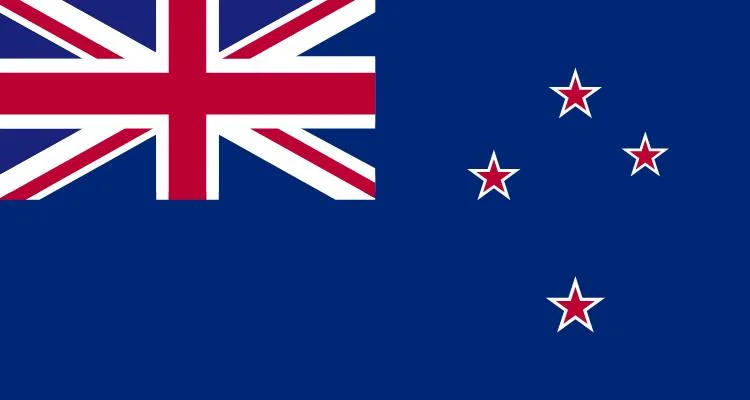
New Zealand — LDI
—
Liberal Democracy Index (0–100)
The Global Ranking
New Zealand democracy scores 8.43 out of 10
New Zealand is usually at the top of the world lists for democracy. It’s usually in there competing with other nations in the Nordics, such as Norway, Iceland, and Finland, for the top spot. This great ranking is proud of its long history of good governance, trust by people in institutions, as well as its strict adherence to a free and open society. Most view New Zealand as a model of the way a country can sustain a sound democracy without, simultaneously, losing its social progressiveness and equality.
Many people wonder about the exact structure of New Zealand politics. If you ask, is New Zealand a democracy, the answer is a resounding yes. It ranks among the most stable and free nations globally.
Citizens directly elect their representatives through regular, fair elections. The country maintains strong civil liberties and protects human rights. We see consistent high voter turnout during national elections.
Understanding the New Zealand political system requires looking at how voters choose their leaders. The government operates with deep transparency. We will explore exactly what type of government does new zealand have and how it compares to other nations.
What Type Of Government Is New Zealand
To answer what kind of government does new zealand have, we must look at its constitutional foundation. New Zealand functions as a parliamentary representative democratic monarchy. The British monarch serves as the ceremonial head of state.
A governor-general represents the monarch locally. However, this role carries almost no real political power. The freely elected prime minister and the cabinet hold the actual executive authority.
You might ask, what type of government does new zealand have compared to nations like Argentina? Unlike Argentina, New Zealand does not have a presidential system. The prime minister leads the majority party or coalition in parliament.
The New Zealand type of government relies on a single legislative chamber. The country abolished its upper house decades ago. The House of Representatives holds all legislative power.
New Zealand Democracy Index And Freedom Scores
Organizations worldwide constantly monitor new zealand democracy and civic rights. The country consistently tops global charts for political freedom and government transparency.
If you look at the New Zealand democracy index from the Economist Intelligence Unit (EIU), the results are impressive. In the 2024 report, New Zealand ranked second globally, scoring 9.61 out of 10. Only Norway scored higher.
Freedom House Ratings For New Zealand
Freedom House provides another critical metric for freedom new zealand. In their latest 2024 and 2025 reports, New Zealand achieved a near-perfect score.
The organization awarded the nation 99 out of 100 points. They classify the New Zealand country as completely “Free”.
| Category | Maximum Points | New Zealand Score |
| Political Rights | 40 | 40 |
| Civil Liberties | 60 | 59 |
| Overall Freedom Index | 100 | 99 |
The freedom index confirms that citizens enjoy robust civil rights. The government respects religious expression, academic independence, and a free press. Independent media outlets constantly hold politicians accountable without fear of censorship.
Global Comparisons In Democracy
When you compare democracy nz to other high-ranking countries, the similarities stand out. The Nordic countries often share the top spots with New Zealand.
For example, Finland and Sweden also operate as highly functioning parliamentary democracies. They all emphasize strong welfare systems, gender equality, and transparent elections.
The New Zealand Political System: How MMP Works
To truly grasp nz politics, you must understand the voting mechanism. Since 1996, the country has used the Mixed Member Proportional (MMP) voting system.
Before 1996, the nation used the traditional First Past the Post method. Voters grew frustrated with artificial majorities and demanded change. A national referendum forced the shift to the MMP system.
Electorate Votes And Party Votes
Under MMP, every eligible voter gets two votes on election day. This dual-vote mechanism defines modern New Zealand politics.
First, you cast an electorate vote. This vote chooses a specific person to represent your local geographic area. The candidate who wins the most votes in your district goes straight to Parliament.
Second, you cast a party vote. This is the most important vote for the overall new zealand political system. It determines the total share of seats each political party receives in the House of Representatives.
“Because MMP is a proportional system, the share of seats a party wins in Parliament almost perfectly matches its share of the party vote.”
Māori Representation In Parliament
New Zealand democracy features a unique element regarding indigenous rights. The system guarantees dedicated representation for the Māori population.
Parliament reserves a specific number of electorates exclusively for Māori voters. Citizens of Māori descent can choose to vote in a general electorate or a special Māori electorate.
New Zealand Political Parties And Coalitions
Because MMP creates proportional results, single parties rarely win an absolute majority. New Zealand political parties almost always form coalitions to govern.
The two dominant forces are the centre-left Labour Party and the centre-right National Party. They usually need support from smaller parties to form a government.
Minor parties play a massive role in nz politics. Groups like the Green Party, ACT New Zealand, and New Zealand First often act as “kingmakers”. They negotiate policy concessions in exchange for supporting a major party.
Parties must win at least 5% of the total party vote to enter parliament.
Alternatively, a party can enter parliament by winning at least one local electorate seat.
The system heavily discourages wasted votes and forces cross-party cooperation.
Core Freedoms And Civil Liberties In New Zealand
When evaluating freedoms nz, the legal framework provides massive protections for individuals. The Bill of Rights Act guards personal autonomy and prevents government overreach.
Freedoms new zealand encompass the right to peaceful assembly and protest. Citizens frequently organize large demonstrations without police interference. You see active trade unions negotiating freely for better wages and working conditions.
Property rights remain highly secure. Individuals establish private businesses without undue interference from state actors. The judiciary operates entirely independently from the executive branch.
Courts routinely rule against government actions if they violate established laws. This strict rule of law solidifies the high New Zealand freedom ratings we see internationally.
Current New Zealand Issues And Political News
Despite its high rankings, the nation faces serious internal debates. If you follow the latest political news nz, you will see deep divisions over recent government policies.
Following the late 2023 elections, a new centre-right coalition took power. This coalition includes the National Party, ACT, and New Zealand First. They quickly introduced massive shifts in domestic policy.
The Treaty Of Waitangi Debate
One of the biggest new zealand problems right now involves race relations. The new government proposed reviewing the principles of the Treaty of Waitangi. This founding document defines the relationship between the Crown and Māori people.
Many citizens view these proposed changes as a direct attack on indigenous rights. Large protests have erupted across the country. Critics argue that altering treaty interpretations could deeply damage social cohesion and historical trust.
Economic And Social Reforms
Other major new zealand issues revolve around the economy and public services. The coalition government immediately repealed several progressive laws introduced by the previous administration.
They cancelled ambitious environmental and climate change programs.
They rolled back the world-first ban on future cigarette sales.
They mandated massive funding cuts and job reductions across the public sector.
Inflation and the high cost of living continue to frustrate voters. Many families struggle with housing affordability. These economic problems in new zealand often dictate how people vote during general elections.
Historical Context: Women’s Suffrage
We cannot discuss New Zealand democracy without highlighting its greatest historical achievement. In 1893, New Zealand became the first self-governing country in the world to grant women the right to vote.
This monumental decision changed global history. It set a precedent that nations like Iceland and others eventually followed. The fight for universal suffrage proved that active citizens could peacefully reform their government.
Today, women hold the highest offices in the land. Multiple female prime ministers have led the country. This strong tradition of equality forms the bedrock of the modern new zealand political system.
The Future Of Democracy In New Zealand
Voters remain highly engaged in the political process. They demand accountability and frequently challenge elected officials.
While the country faces complex social and economic challenges, its institutions remain rock solid. The independent electoral commission ensures every vote counts accurately. Anti-corruption watchdogs monitor public spending constantly.
Is New Zealand a democracy that can withstand modern polarization? The evidence points to yes. The proportional voting system forces compromise. The culture demands transparency.
As long as citizens continue to exercise their fundamental rights, New Zealand will remain a global gold standard for democratic governance.