 Call us now:

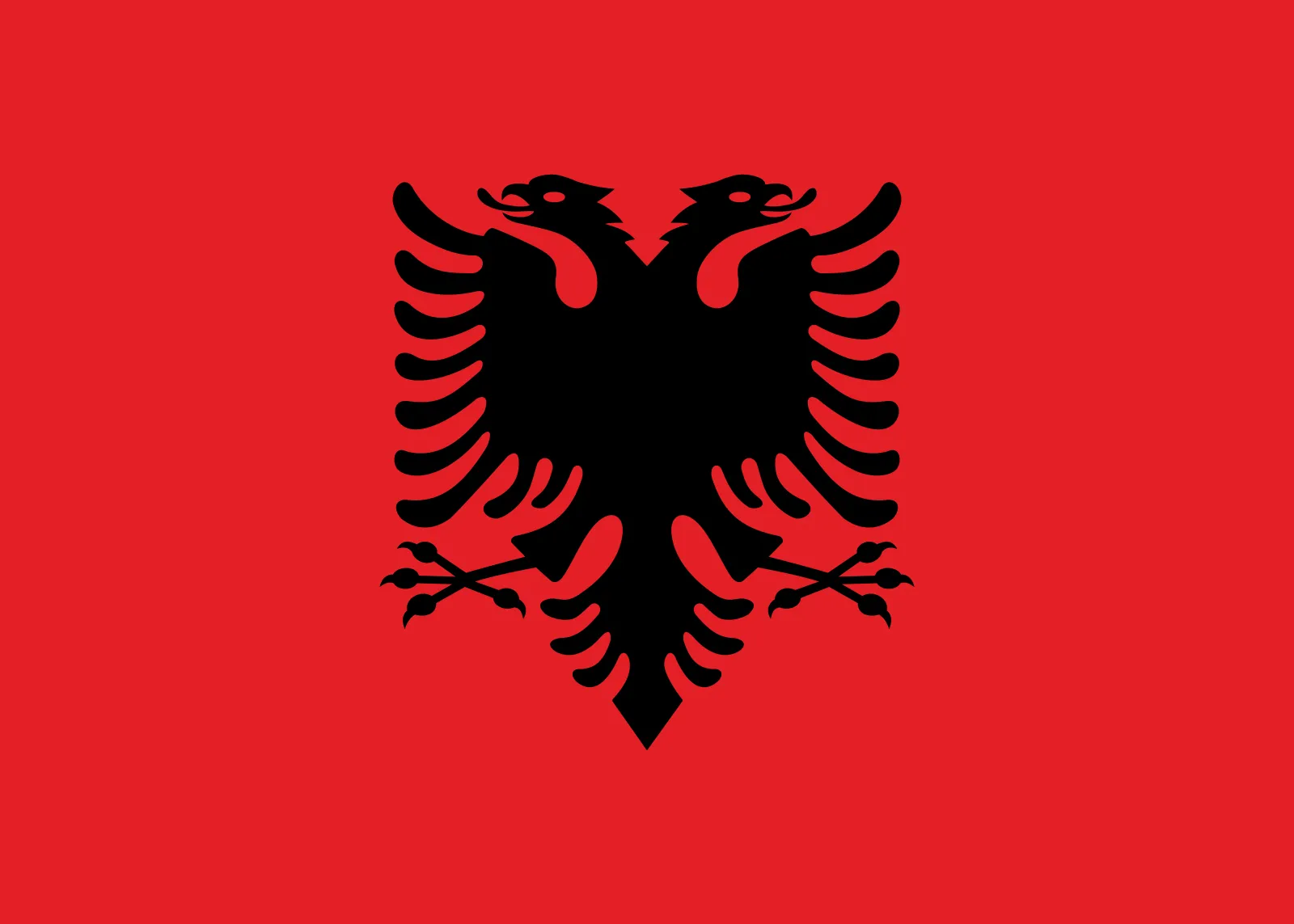
Albania democracy score is 5.91 out of 10
Many travelers and students search online for basic facts, frequently typing albaina by mistake. If you ask, is albania a country in the modern sense, the answer is a definitive yes. The country albania operates as a fully independent sovereign nation situated in the heart of the Balkan Peninsula.
Some people confuse its history and ask, is albania still a country after the fall of communism in Europe? It remains a resilient, growing nation actively pursuing European Union membership. To understand its modern trajectory, you must examine albania politics closely.
We will explain exactly what the albania government type looks like today. You will learn how the albanian government functions at the federal level. We also cover the recent historic elections that completely reshaped the albania government.
What Type Of Government Does Albania Have?
To understand the albanian country profile, we must look at its constitution. The nation operates as a unitary parliamentary constitutional republic. This specific structure defines the exact albania government type.
Unlike the strong presidential systems we see in Turkey or Brazil, the executive power here divides between two roles. A president serves as the official head of state. The parliament elects the president for a maximum of two five-year terms.
The president performs mostly ceremonial and diplomatic duties. The true executive authority rests completely with the prime minister. The prime minister leads the cabinet and directs all domestic and foreign policy for albania.
The Legislative Branch And Parliament
The heart of albania politics beats inside the national parliament, known as the Kuvendi. This unicameral legislature contains 140 members. Citizens elect these representatives directly for four-year terms.
The voting system relies on regional proportional representation using closed lists. Political parties must secure a minimum percentage of the national vote to enter parliament. This system guarantees that the albanian government reflects the broader popular vote across different geographic counties.
You see similar proportional voting mechanics shaping the legislative branches in the Netherlands and Switzerland. However, the political climate remains fiercely polarized. Major opposition parties frequently boycott parliamentary sessions to protest alleged electoral fraud.
Is Albania A Free Country? Freedom Scores
Global watchdogs monitor civil liberties across the Balkans constantly. If you review international metrics, Freedom House classifies the albanian country as “Partly Free”. It also labels the nation a “Transitional or Hybrid Regime”.
In recent reports, Freedom House awarded the country 68 out of 100 points. The state holds regular competitive elections, but severe structural problems still exist.
| Freedom Category | Maximum Points | Albania Score |
| Political Rights | 40 | 28 |
| Civil Liberties | 60 | 40 |
| Total Global Freedom | 100 | 68 |
While citizens generally enjoy freedom of assembly, powerful economic actors heavily influence election campaigns. Media ownership remains highly concentrated in the hands of a few wealthy business families. Independent journalists frequently face intimidation when investigating organized crime.
The 2025 Elections And Current Political Situation
When you study the modern albania government, you must look at the recent May 2025 parliamentary elections. Prime Minister Edi Rama secured an unprecedented fourth consecutive term in office. His Socialist Party dominated the national vote against a fragmented conservative opposition.
The prime minister positioned himself as the sole leader capable of securing European Union membership by 2030. Voters rewarded this pro-European platform despite widespread complaints about the rising cost of living. However, international observers noted several campaign irregularities.
The opposition accused the ruling party of misusing public resources and intimidating voters. These intense electoral battles mirror the fierce political climates we often analyze in our US Presidential History series. Ensuring a completely fair playing field remains a massive challenge for the republic.
Judicial Reforms And The Fight Against Corruption
Voters demand immediate solutions to state graft and organized crime. Endemic corruption damages public trust in the albania government daily. Transparency International consistently ranks the nation low on its global corruption index.
To combat this crisis, the state initiated a massive, internationally backed judicial vetting process. Authorities actively investigate and remove corrupt judges and prosecutors from the legal system. This painful but necessary purge temporarily slowed down the courts due to staffing shortages.
Despite these delays, the vetting process represents a monumental step toward establishing the true rule of law. The European Union demands these strict anti-corruption measures before granting full membership. The success of this judicial overhaul will ultimately determine the future of the country albania.
Digital Rights And The TikTok Ban
Digital freedom recently became a massive flashpoint in national politics. In early 2025, the government instituted a highly controversial nationwide ban on the social media platform TikTok. Authorities cited the death of a teenager and growing youth violence as the primary reasons for the ban.
Internet service providers blocked access to the application completely. Opposition leaders immediately criticized the move as an act of political censorship right before the general elections. They argued the ban severely restricted their ability to campaign online.
This aggressive regulation of social media sparked large protests in the capital city. Citizens debate whether the state should sacrifice digital liberties to protect public safety. We see similar intense debates regarding state censorship in nations like Indonesia.
Looking Toward The Future
The journey toward full democratic consolidation requires massive institutional resilience. The republic successfully emerged from a brutal, isolated communist dictatorship just over three decades ago. Today, the citizens fiercely protect their right to vote and demand accountability from their leaders.
The albania government type provides the necessary framework for continuous reform. The active civil society organizes protests and demands better public services constantly. If the state successfully eliminates systemic corruption, the nation will achieve its goal of European integration.
The voters will continue to shape their nation through active democratic participation. Their choices will determine the ultimate stability and prosperity of the republic for generations to come.