 Call us now:

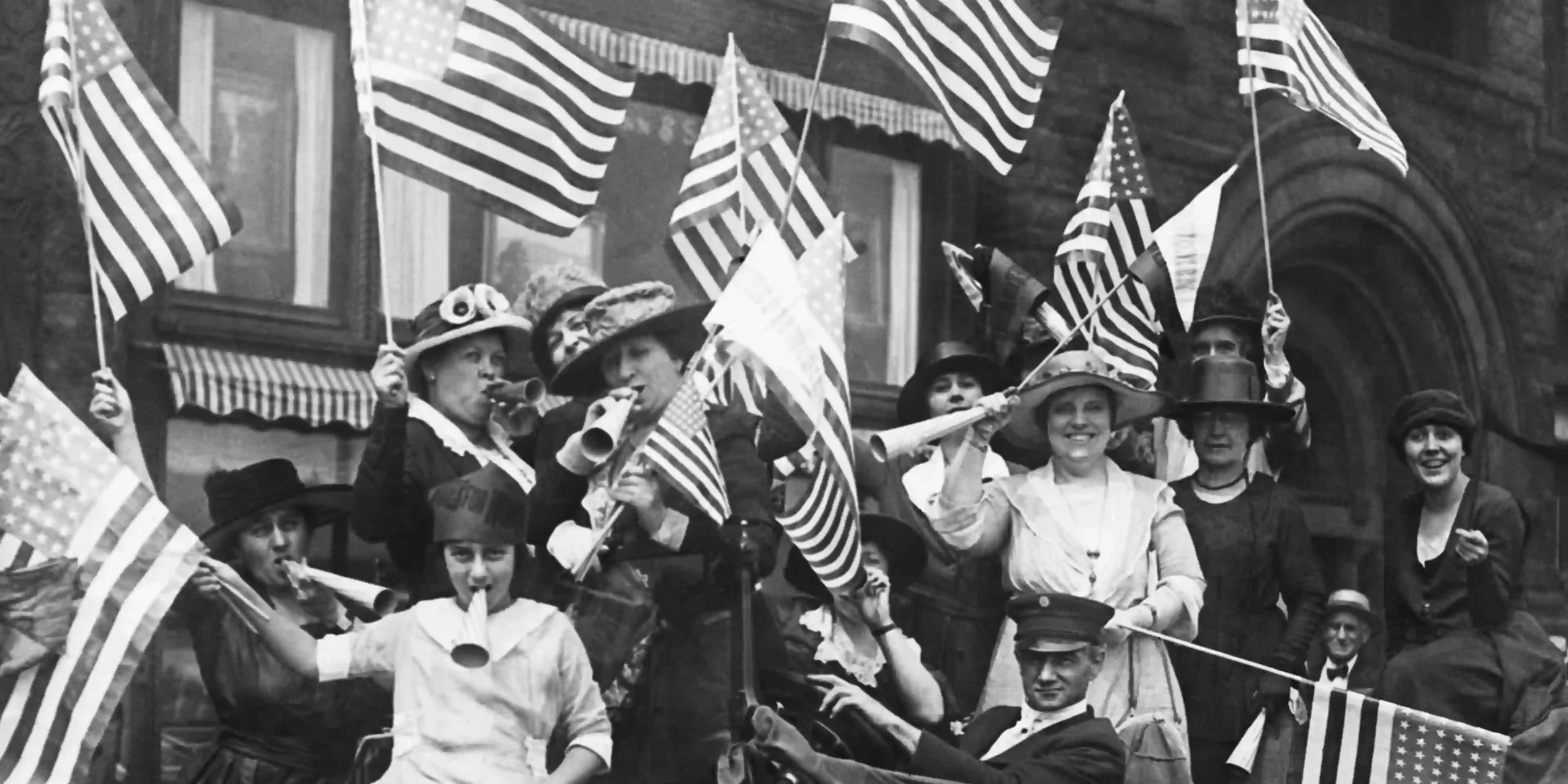
The 19th amendment stands as one of the most consequential changes ever made to the United States Constitution. Ratified on August 18, 1920, it prohibited the federal government and all state governments from denying the right to vote on the basis of sex. With a single sentence, it formally extended the franchise to approximately 26 million American women who had been excluded from participation in the democratic process since the nation’s founding. Understanding what the amendment did, how it came to pass, and what it left unfinished requires looking at both the political history that produced it and the limitations that accompanied the victory.
What Did the 19th Amendment Do?
The text of the amendment is direct: “The right of citizens of the United States to vote shall not be denied or abridged by the United States or by any State on account of sex.” This language deliberately mirrored the 15th Amendment, which had prohibited denial of the vote on account of race, color, or previous condition of servitude fifty years earlier.
What the 19th amendment did in practice was constitutionally guarantee that no state could legally bar women from voting. Before ratification, women could vote in some states — Wyoming had granted full women’s suffrage in 1869 — but the right existed patchwork and could be revoked. The amendment nationalized the guarantee and made it constitutional rather than statutory.
The immediate impact was enormous in numerical terms: the 1920 election was the first in which women could vote across the entire country. Millions registered and voted. The electorate effectively doubled in potential size, which reshaped how parties organized, whom they targeted, and what issues they prioritized.
When Was the 19th Amendment Passed?
The 19th amendment was passed by Congress on June 4, 1919, after decades of organized campaigning. It was then sent to the states for ratification, which required approval by three-quarters of state legislatures — 36 of the then-48 states.
Ratification took fourteen months and was completed on August 18, 1920, when Tennessee became the 36th state to ratify. The Tennessee ratification was itself dramatic: the state legislature was deadlocked, and the deciding vote came from 24-year-old Harry Burn, the youngest member of the chamber, who changed his vote after receiving a letter from his mother urging him to “be a good boy” and support ratification.
Secretary of State Bainbridge Colby certified the ratification early on the morning of August 26, 1920. That date is now recognized as Women’s Equality Day.
The Women’s Suffrage Movement That Made It Possible
The 19th amendment did not arrive without an organized fight spanning more than seven decades. The modern women’s suffrage movement in the United States is conventionally dated to the Seneca Falls Convention of 1848, where Elizabeth Cady Stanton drafted the Declaration of Sentiments modeled on the Declaration of Independence. It declared, among other things, that all men and women are created equal, and demanded the right to vote.
The movement that followed was broad, strategically diverse, and often internally divided. The National American Woman Suffrage Association (NAWSA), led at various points by Susan B. Anthony, Elizabeth Cady Stanton, and later Carrie Chapman Catt, pursued a state-by-state strategy alongside a federal constitutional amendment. The National Woman’s Party, led by Alice Paul, focused exclusively on the federal amendment and used more confrontational tactics including protests and hunger strikes after imprisonment.
Both strategies were necessary. State-level victories built political pressure and demonstrated that women voting did not produce the catastrophes opponents predicted. The federal campaign required sustained lobbying, political negotiation, and public demonstrations that kept the issue in national conversation during and after World War I. For fuller context on how the suffrage movement fits within the broader arc of American voting rights, the history of voting rights in America provides essential background on how and when different groups gained — and were denied — access to the franchise.
Key Figures in the Suffrage Movement
Susan B. Anthony was arrested for voting in Rochester, New York in 1872. She died in 1906, fourteen years before ratification, but became the symbolic face of the movement she helped build. Her likeness now appears on the gold dollar coin.
Sojourner Truth, an abolitionist and formerly enslaved woman, famously linked women’s rights and racial equality in her advocacy, pointing to the interconnection between different forms of exclusion that mainstream suffrage organizations often failed to fully address.
Ida B. Wells-Barnett, a journalist and civil rights activist, founded the Alpha Suffrage Club in Chicago to organize Black women voters and pushed back against the racism within parts of the suffrage movement itself.
Alice Paul’s tactics evolved from peaceful picketing outside the White House to hunger strikes after incarceration. Her version of the federal strategy helped force the amendment into congressional consideration at a moment when NAWSA’s lobbying had stalled.
What the 19th Amendment Did Not Do
The 19th amendment is often taught as the moment all American women gained the right to vote. That is not accurate. The amendment prohibited denial of suffrage on the basis of sex, but it did not eliminate the many other mechanisms states used to suppress voting.
Black women in the South faced the same poll taxes, literacy tests, grandfather clauses, and outright violence used to suppress Black male voters. The 19th amendment gave them a constitutional right they were systematically prevented from exercising. Asian American women remained excluded from naturalization and therefore from voting. Native American women gained citizenship through the Indian Citizenship Act of 1924, but some states continued to block Native American voting through other means.
Full voting access for these communities required further legislative and legal battles extending well into the twentieth century. The Voting Rights Act of 1965 was the most significant of these, addressing the systematic disenfranchisement that persisted after both the 15th and 19th Amendments were on the books.
This gap between constitutional right and practical access is a recurring theme in American political history. The formal guarantee of a right and the conditions needed to exercise that right are separate questions, and the 19th amendment’s incomplete victory makes this tension visible.
The 19th Amendment and American Politics
Adding millions of women to the electorate in 1920 did not immediately produce the political realignment that both supporters and opponents had predicted. Women did not vote as a unified bloc. They voted across party lines, reflecting the same regional, class, and racial divisions that shaped male voting patterns. The immediate political impact was more diffuse than transformative.
Over time, however, women’s participation in elections grew and deepened. Women eventually became more likely to vote than men, a gap that has grown in recent decades. Women also began running for and winning office at increasing rates, reshaping the composition of legislative bodies at every level of government.
Policy priorities changed as women’s political participation grew. Issues including maternal health, child welfare, education, and labor protections for women workers received more legislative attention after 1920 than before, though the causal relationship between women’s voting and specific policy outcomes is difficult to isolate from other contemporaneous changes.
Why Is the 19th Amendment Important Today?
The 19th amendment matters today for several reasons. It is a concrete reminder that constitutional rights are not self-executing — they require political organizing, legal challenges, and sustained civic engagement to translate into actual political power.
The amendment also established the principle that the right to vote cannot be restricted based on sex, a principle that has been extended in subsequent interpretations to protect voting rights in related contexts. Its passage demonstrated that constitutional change is possible through sustained democratic organizing, even when that organizing takes generations.
For comparative perspective, China’s political system represents a contemporary contrast: a state where the question of who votes and what that vote means is structured entirely differently, highlighting what universal suffrage — even imperfect and fought for over decades — actually provides in terms of political agency.
The 19th Amendment’s Lasting Significance
More than a century after ratification, the 19th amendment represents both an achievement and an unfinished project. The achievement is real: women in the United States have the constitutional right to vote, have exercised that right at record levels in recent elections, and have won election to offices at every level of government including the vice presidency.
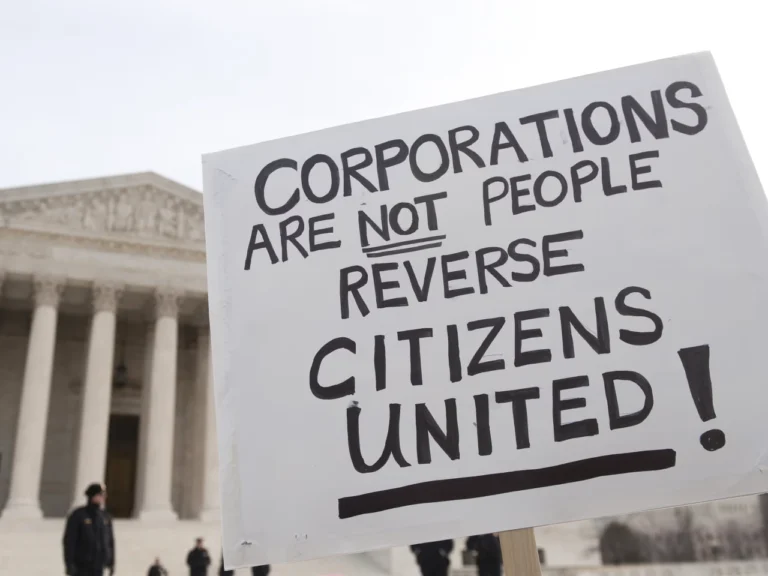
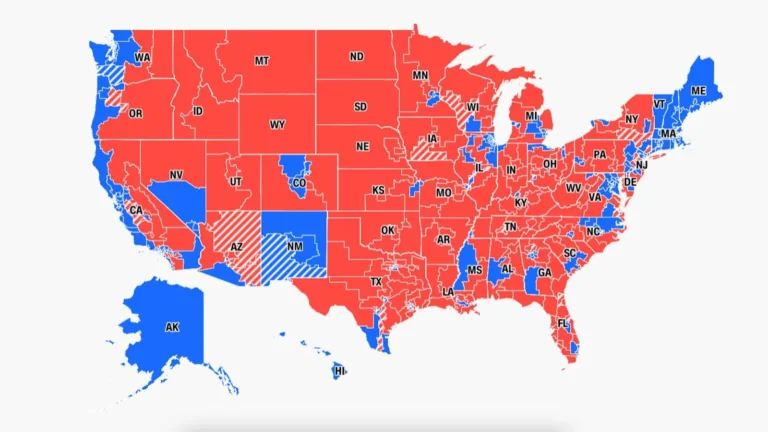
The unfinished project involves the structural and practical barriers that continue to shape who participates in elections, whose votes are diluted by redistricting, and whose political voices carry more weight in a system shaped by money, media, and institutional inertia. Those questions connect the history of the suffrage movement to contemporary debates about democracy that the 19th amendment set in motion but did not resolve.
Women’s suffrage was not a gift granted by a benevolent government — it was a right demanded, organized for, and ultimately won by decades of activists who understood that formal exclusion from the ballot was exclusion from political life itself. That is the central lesson the 19th amendment offers to anyone interested in how democratic systems expand and what that expansion actually costs.