 Call us now:

Kosovo democracy score is 6.00 out of 10
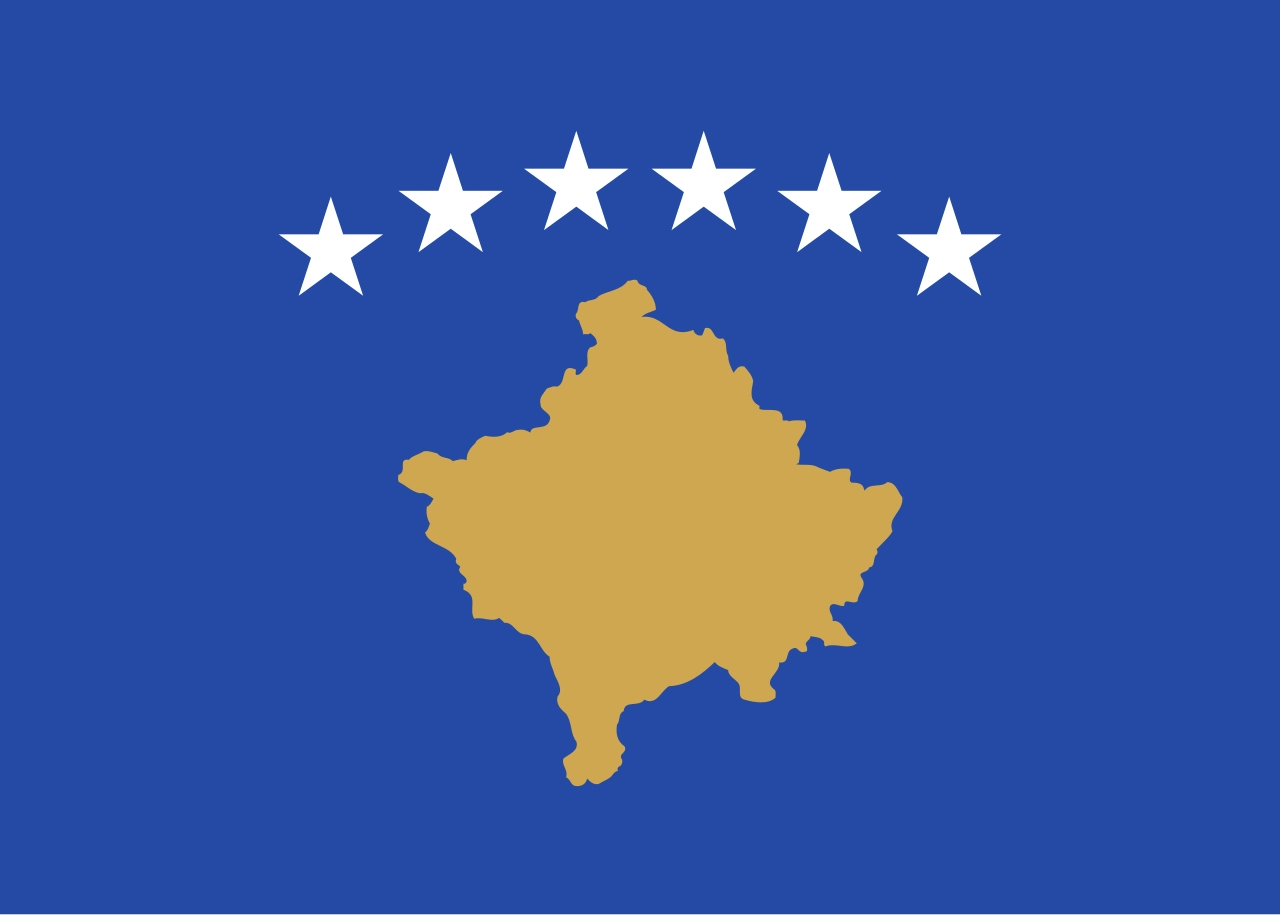
Many people search for this Balkan region using its local name, kosova, or even common typos like kosavo. Regardless of how you spell kosovo, one massive geopolitical question dominates the internet. Is kosovo a country officially?
Over 100 United Nations member states recognize the kosovo country as a fully independent, sovereign republic. However, Serbia and several other nations continue to dispute this status, creating a highly complex international situation.
We will explain exactly how the kosovo government functions despite these external diplomatic challenges. You will learn about the kosovo government type and explore the vibrant, fast-paced world of modern kosovo politics.
What Type Of Government Does Kosovo Have?
To understand the political landscape, we must examine the 2008 constitution. The nation operates as a multi-party parliamentary representative democratic republic. This constitutional framework defines the exact kosovo government type.
The system divides executive duties between two distinct roles. The Assembly elects the president, who serves as the head of state and represents national unity. The president guarantees the democratic functioning of the state institutions.
However, the prime minister holds the actual executive power. The prime minister serves as the head of government and leads the cabinet ministers. This parliamentary system closely mirrors the legislative structures we see in neighboring Albania.
The Legislative Branch And Kosovo Politics
The heart of kosovo politics beats inside the Assembly. This unicameral national parliament contains 120 seats. Citizens elect lawmakers to serve four-year terms using an open-list proportional representation voting system.
The constitution specifically protects minority populations within this legislative body. It legally reserves 20 of the 120 seats for ethnic minorities, including ethnic Serbs, Bosniaks, and Roma representatives. This system ensures that minority voices directly influence the kosovo government.
Political parties frequently form massive coalitions to achieve a governing majority. Understanding these complex multiparty dynamics requires deep analysis, much like studying the complex state math outlined in our guide on How Does The Electoral College Work?.
Is It A Free Kosovo? Freedom Scores
Global watchdogs constantly monitor civil liberties across the Balkan region. The vision of a truly free kosovo requires strong democratic institutions and transparent elections. Freedom House currently classifies the nation as “Partly Free” and notes significant recent improvements.
In its recent 2024 and 2025 reports, Freedom House awarded the republic 60 out of 100 points for global freedom.
| Freedom Category | Maximum Points | Kosovo Score |
| Political Rights | 40 | 28 |
| Civil Liberties | 60 | 32 |
| Total Global Freedom | 100 | 60 |
The state holds highly competitive and credible elections. Power transfers peacefully between rival political factions, demonstrating strong democratic resilience. This stability contrasts sharply with the severe electoral manipulation we analyze in places like Turkey.
Current Political Challenges
Despite holding successful elections, the republic faces severe internal and external challenges. Endemic corruption damages public trust in state institutions. The current prime minister won his mandate primarily by promising aggressive anti-corruption reforms and strict rule of law.
Tensions in the northern municipalities, where the ethnic Serb population concentrates, frequently spark political crises. Disagreements over vehicle license plates and local mayoral elections recently led to violent protests. The international community constantly urges both Pristina and Belgrade to normalize their relations through European Union-brokered dialogues.
Independent journalists also face pressure from powerful business interests and political elites. While the media environment remains pluralistic, reporters investigating organized crime often endure threats and intimidation. Securing absolute press freedom remains a critical goal for the developing nation.
The Future Of The Republic
The citizens fiercely protect their hard-won voting rights. Young voters demand better economic opportunities, European integration, and total transparency from their elected leaders. Their civic engagement mirrors the historic struggles for equality detailed in our History Of Voting Rights In America timeline.
The state continues to build its democratic institutions while navigating intense international pressure. As long as the voters remain active and demand accountability, the republic will continue its journey toward full democratic consolidation.