Call us now:

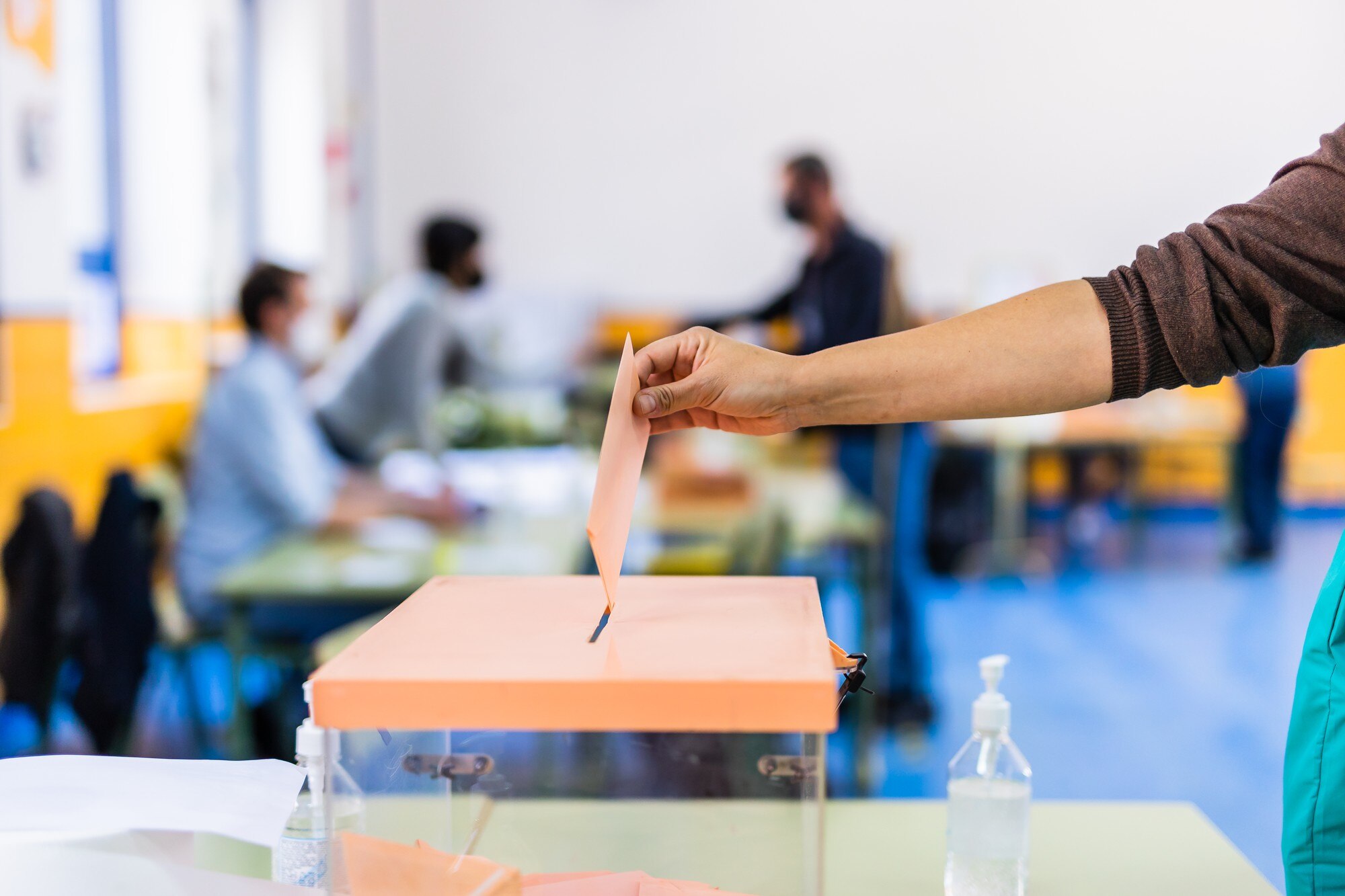
Why is voting important? An election can put someone in charge who will fund your child’s school, change what can be built beside your home, or decide whether a legal right survives. Voting gives you a say in who makes those decisions—and, on some ballots, lets you decide an issue directly.
The importance of voting lies in that connection between a choice on paper and the exercise of public power. The five reasons below follow that connection: who gets authority, whose experiences count, and what voters can do when officials disappoint them.
In This Article
- 1. You Help Choose Who Holds Public Power
- 2. You Help Represent Your Community
- 3. You Influence Laws and Public Spending
- 4. You Can Hold Elected Officials Accountable
- 5. You Shape Decisions Close to Home
- Key Takeaways
- Frequently Asked Questions
- Put Your Voting Plan Into Action
1. You Help Choose Who Holds Public Power
Voting helps determine who gets the authority to govern on your behalf. In a representative democracy, that choice puts someone in an office with actual powers, not merely a platform for expressing opinions. Elections also establish a peaceful route for taking that authority away.
On January 20, 2001, outgoing President Bill Clinton attended George W. Bush’s inauguration. One president’s tenure ended and another’s began, despite their belonging to opposing parties. The Constitution’s 20th Amendment sets the end of presidential terms at noon on January 20: the office belongs to a succession of elected leaders, not permanently to its occupant.
That handover gives a ballot its larger meaning. You are helping decide who may exercise public power for the next term. The transfer depends on officials respecting the result and institutions enforcing the rules, but voters supply the decision those institutions carry out.
2. You Help Represent Your Community
Election results record the preferences of people who participate. When a community faces obstacles to voting, its members lose opportunities to put their concerns into that record.
In Selma, Alabama, on March 7, 1965, law enforcement officers attacked voting-rights marchers at the Edmund Pettus Bridge. The marchers were demanding access to a right that already had constitutional protection. Yet Black Americans still faced barriers to using that right.
The Selma campaign helped build pressure for the Voting Rights Act of 1965, which addressed racial discrimination through federal protections and enforcement. The 19th Amendment, ratified in 1920, prohibited denying the vote on account of sex.
Access can turn on something as practical as the language printed on a ballot. In San Francisco, Chinese-language ballots give Chinese-speaking voters a way to read the choices in that language. Certain jurisdictions must provide language assistance under the Voting Rights Act. Asian American and Pacific Islander voters have varied language backgrounds and political views; access lets individuals express those differences instead of being treated as one political bloc.
3. You Influence Laws and Public Spending
Congress passes federal spending legislation, and state legislatures determine state budgets. Choosing their members helps decide which proposals get hearings and which priorities gain enough votes to become law. A campaign promise needs support through those governing steps to become a funded program.
Sometimes voters make the legal decision themselves. In August 2022, Kansas voters rejected a proposed state constitutional amendment that would have removed state constitutional protections for abortion rights. The question was not which candidate offered the most persuasive promise. It was whether the constitution should change.
That result shows why a ballot measure deserves attention alongside the candidates. Where initiatives and referendums are available, voters can decide a specific legal question directly. The Kansas vote preserved protections that the proposed amendment would have removed, giving the result an immediate meaning beyond the fortunes of either political party.
4. You Can Hold Elected Officials Accountable
An official’s record gives you something a campaign promise cannot: evidence of what that person does with power. An election lets you reward that record or choose someone else.
In 1993, U.S. Representative Marjorie Margolies-Mezvinsky voted for President Bill Clinton’s budget package. The politically damaging vote became a central issue in her next campaign, and Republican Jon Fox defeated her in 1994. It would oversimplify an election to assign the entire result to one decision, but this was a concrete vote an opponent used to argue against another term.
That is the accountability a recorded legislative vote makes possible. An official must choose, the choice becomes public, and voters can decide how much it matters. You might value keeping a campaign commitment; another voter might respect an explained change of mind. Neither judgment requires agreeing with every action. It requires deciding whether the record earns another term.
5. You Shape Decisions Close to Home
A local election can help determine what gets built on your street. In 2018, the Minneapolis City Council approved the Minneapolis 2040 plan, including a policy allowing up to three homes on residential lots previously reserved for single-family houses. A municipal land-use decision became a citywide argument about housing and neighborhood change.
That is the scale of authority local ballots can place in someone’s hands. City councils approve municipal spending and make zoning decisions; school boards commonly adopt district budgets and set policies within state law. A mayor’s powers depend on the local government’s structure, so the office responsible for your concern matters as much as a candidate’s position.
For a school budget, that means asking what a board candidate would fund and what they would be willing to reduce. The question puts a choice behind familiar promises about supporting students. People who show up at school board meetings can press their case. The people elected to the board cast the deciding votes.
Key Takeaways
- Judge candidates by the powers of the office they seek, not just their most appealing promises.
- Treat access to the ballot as part of representation: a formal right must be usable.
- Give ballot measures the attention you give candidates; they can settle legal questions directly.
- Use an incumbent’s recorded decisions to decide whether they have earned another term.
- Include local races in your decision: authority over a nearby project or school budget belongs somewhere specific.
Frequently Asked Questions
Why is it important to vote?
Voting makes your preferences part of the official decision about who governs. Its value includes expressing a choice even when your preferred candidate loses: your ballot joins the count instead of leaving that decision entirely to other participants.
Why is voting important in a democracy?
Voting gives citizens a formal role in selecting their government. Meaningful choices and fair election administration make that role usable. Secret ballots help protect people from pressure over whom they support.
Why should you vote?
You should vote to choose the available candidate whose likely decisions best match your priorities. When nobody matches your views completely, compare candidates on an issue the office actually controls. Agreement on everything is not necessary for a clear preference.
Why are elections important?
Elections make public authority subject to recurring judgment instead of granting officials permanent tenure. U.S. House members serve two-year terms, senators serve six-year terms, and presidents serve four-year terms. Those schedules put different offices before voters at different intervals.
What is the importance of voting?
Voting turns individual preferences into an official result under the rules for that election. In presidential general elections, the outcome operates through the Electoral College, not a single nationwide popular-vote contest. Understanding which contest your ballot helps decide makes the connection between participation and power clearer.
Put Your Voting Plan Into Action
Begin with the decision you most want government to get right. Connect it to the office with authority over it, then compare the candidates’ records and proposals. That gives your preparation a purpose beyond simply finishing a ballot.
Make room for that choice by handling registration early. State and local election offices provide official instructions; registration requirements and voting options vary by state and can change. Choose an available method that suits your circumstances. Mail voting requires time for delivery and attention to return instructions; voting in person requires time to reach the voting location.
You do not need a perfect candidate. You need a considered choice and a valid ballot that puts it into the count.