Call us now:

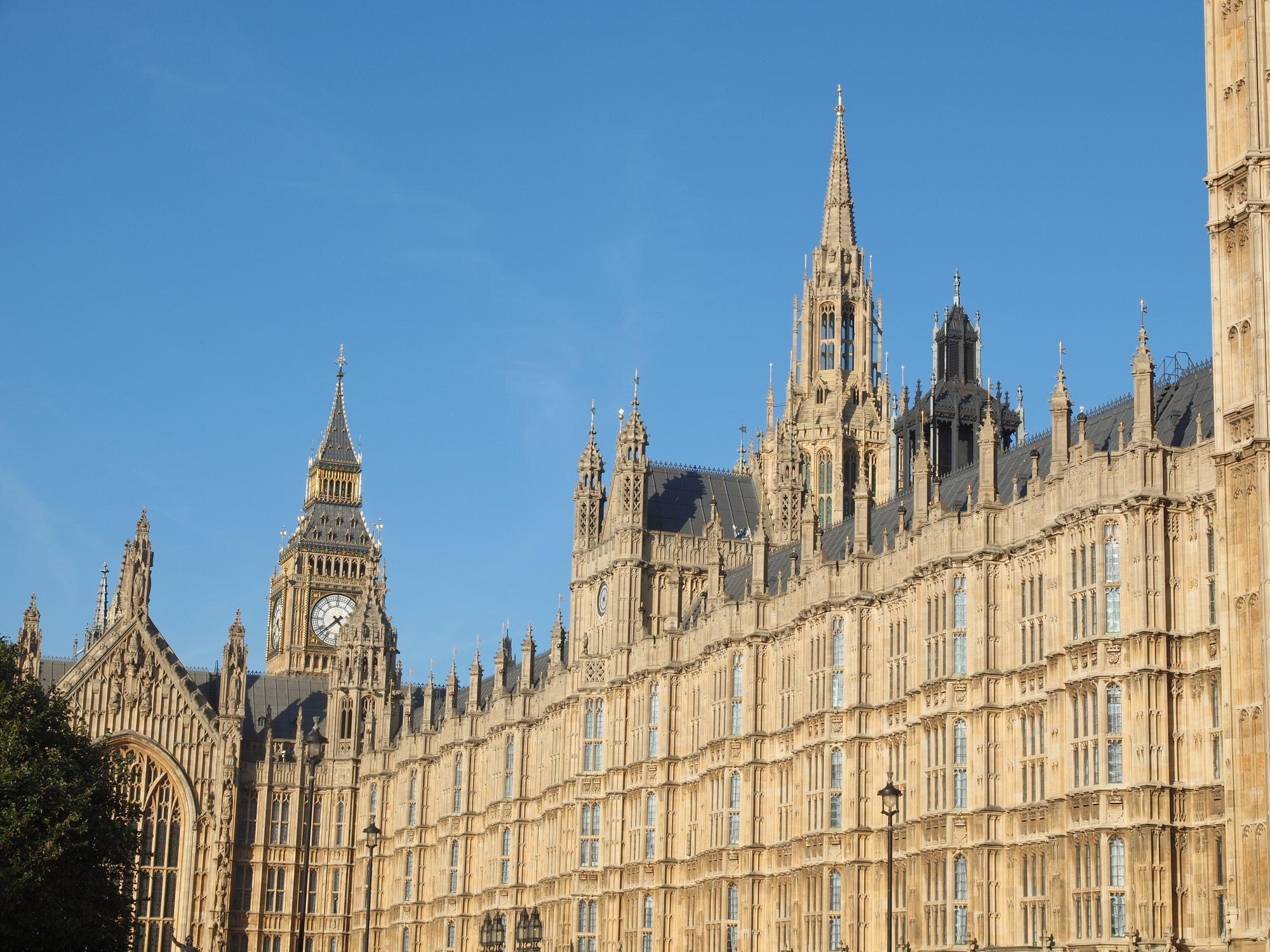
The Model Parliament was the assembly Edward I summoned to Westminster in November 1295, bringing county and town representatives together with great lords and senior churchmen to secure support for war, especially taxation. Its combination of local representation and royal counsel became an influential pattern for later English parliaments. To understand why it mattered, follow the business from the king’s demand for money through the summons and local elections to the authority representatives carried into the meeting.
That sequence also explains the assembly’s place between earlier experiments and later parliamentary institutions. Edward brought existing practices together to answer an urgent royal problem; the name “Model Parliament” came afterwards.
In This Article
- Why Edward Needed Wider Support
- Who Received A Summons
- How Local Representation Worked
- What “What Touches All” Meant
- What Earlier Assemblies Had Already Done
- What The Assembly Could And Could Not Do
- Why It Became Known As A Model
- Key Takeaways
- Frequently Asked Questions
- Remember the Pattern, Not the Myth
Why Edward Needed Wider Support
Edward faced military expenses on several fronts. War with Philip IV of France had begun in 1294 over the English king’s continental possessions, particularly Gascony. Holding territory across the Channel meant paying for operations far from the royal government in England. Men and supplies had to reach the fighting, and expenditure continued while the crown sought the means to sustain it.
Gascony was only part of the demand. The Welsh revolt of 1294–1295 required another military effort close to home, consuming resources that could otherwise have supported the French war. A revolt within territory Edward claimed to control could not simply be left until the continental struggle was settled. The crown had to respond to overlapping pressures, with each commitment making the next harder to finance.
Scotland added the threat of a further front. Relations were deteriorating, and the Scottish alliance with France in 1295 connected trouble on England’s northern border with Edward’s existing enemy. The chronology matters: Edward’s invasion of Scotland followed in 1296. At the time of the Westminster summons, he was paying for recent and continuing warfare while facing the prospect of more, not conducting three identical campaigns at once.
Royal income from lands and established rights could support the ordinary work of government. These military demands exceeded it. Taxation of movable property gave the crown access to wealth beyond its own estates, spreading the cost among communities whose resources Edward needed. The question was how to turn that demand into a grant that could be collected with authority.
Representatives helped supply the answer. A county or town could authorize men to act on its behalf, allowing the king to seek agreement without dealing separately with every person who would pay. Those representatives also knew something of the burdens at home. Recent demands and local conditions could enter the discussion through people expected to explain the outcome when they returned.
Edward still set the broad direction of war and diplomacy. What he needed from Westminster was support substantial enough to sustain those choices. The financial urgency gave the gathering its purpose: resources held across the kingdom had to become money available to the crown. The summons was the first step in making that transfer politically workable.
Who Received A Summons
For a sheriff, the demand arrived as a royal writ: a formal written command, in Latin, issued under royal authority. Its practical instructions required action in the county and its towns. Representatives had to be chosen and sent to Westminster with the authority specified by the king. The writ turned a decision at court into business for local government.
That route differed from the personal summonses sent to great lords and senior churchmen. A magnate attended because the king called him individually; a borough representative attended because his community had selected him. These routes brought together people whose obligations to the crown rested on different foundations. The table sets out who was called, how the summons reached them, and the body for which they acted.
Model Parliament of 1295: summoned groups and representation
| Group summoned in 1295 | Basis and route of summons | Number or quota summoned | Whom they represented |
|---|---|---|---|
| Archbishops and bishops | Individual royal writs to senior prelates | Each summoned prelate in person | Their ecclesiastical office and interests |
| Selected abbots and priors | Individual royal writs to heads of religious houses | Each summoned abbot or prior in person | Their religious houses |
| Earls and barons | Individual royal writs to lay magnates | Each summoned magnate in person | Themselves as great lords |
| Knights of the shire | Elected under writs to sheriffs | 2 knights from each county | The county community |
| Citizens | Chosen by cities under writs to sheriffs | 2 citizens from each city summoned | Their city community |
| Burgesses | Chosen by boroughs under writs to sheriffs | 2 burgesses from each borough summoned | Their borough community |
| Clerical proctors | Required through the clergy clause in bishops’ writs | 1 per cathedral chapter; 2 for the clergy of each diocese | Cathedral chapters and diocesan clergy |
A burgess was a representative of a borough, an urban community with a recognized legal identity and privileges. That identity mattered more than equal population. The king called on established communities, each with institutions capable of choosing someone and accepting obligations through him. A small borough and a large county entered the assembly by different routes because they were different bodies in law and government.
The church supplied a further layer of representation. Bishops held positions of authority, but cathedral chapters and diocesan clergy also had interests requiring authorized spokesmen. Church wealth made clerical support valuable to the crown. Ecclesiastical privileges and claims about the authority to tax it made that support a separate political problem, not simply another entry in a general demand on lay taxpayers.
The great lords brought a different kind of weight. Their landholding and political power had long given them a place in royal counsel. Local elections did not confer that standing. Edward’s assembly placed this established relationship beside the authority carried by representatives, giving the crown several ways to seek cooperation in the same gathering.
The distinctive feature was the combination. A sheriff arranging local representation and a bishop receiving instructions about clerical proctors were carrying out different parts of one royal undertaking. Neither had to invent a new community to answer the summons; both had to make existing institutions produce an authorized response.
How Local Representation Worked
The men selected as knights of the shire came from the landholding society involved in local administration, where familiarity with royal demands and county business mattered. Their task at Westminster followed from that experience: they needed to understand an obligation placed on the county and possess authority to accept it.
Selection was only the beginning of the work. The representative had to leave home and reach Westminster. Travel over medieval roads required time and expenditure, whether a journey was made on horseback or otherwise. Distance from the meeting affected the burden: a longer absence meant more time away from the affairs that normally occupied a landholder or townsman. Representation had a cost before any tax was granted.
Payment of parliamentary expenses formed part of medieval practice. That obligation made attendance a matter for the sending community as well as the man making the journey. Consider the practical choice facing a borough: sending an experienced representative might give it a useful voice, but supporting his absence also consumed resources. This helps explain why a summons could be treated as a burden alongside the opportunity it offered.
The crown wanted the journey to produce a binding answer. Its writs required representatives to carry “full power” to act for those who sent them. A delegate who could merely listen and report home would leave the king waiting for another round of decisions. Authorized representatives could commit absent communities to the business for which they had been summoned.
That authority made the connection between the local meeting and Westminster decisive. Choosing a man was not enough; the community had to empower him. A representative could bring local grievances with him, yet he also arrived bearing an obligation to act. The royal demand followed him home through the decision he helped authorize, making the return journey politically consequential as well as costly.
What “What Touches All” Meant
The best-known language associated with the summons was “what touches all should be approved by all”: quod omnes tangit ab omnibus approbetur. Edward’s summons invoked this Roman-law maxim to argue for broad participation. It gave the request for support a forceful legal form: a danger affecting the whole community called for an answer made with the community’s approval.
The maxim had travelled through medieval legal thought, including canon law, before the king’s clerks put it to work here. Such language carried the authority of learned law into a pressing political dispute. Educated churchmen could recognize the principle and the reasoning behind it. Edward’s demand thus spoke in terms familiar to people whose cooperation he needed, especially within the church.
Its rhetorical force lay in joining a burden to a duty. If the danger touched everyone, the argument ran, those summoned had a reason to participate in the response. Consultation was presented as the appropriate way to meet a common emergency. The formula helped the crown ask for approval while pressing its audience towards the conclusion that support was owed.
The representatives’ powers gave that argument a practical structure. A county could act through its authorized knights; a clerical body could act through a proctor. “All” could therefore be expressed through recognized communities, each made present by someone entitled to speak for it. The legal phrase and the summons machinery supported each other: one explained why approval mattered, while the other provided a way to obtain it.
There was tension within this language. The king used common approval to strengthen his demand, but the same reasoning made participation an important part of the demand’s legitimacy. If a shared burden required an authorized response, obtaining that response mattered. The enduring interest of the phrase lies in this connection between the crown’s immediate purpose and the weight it gave to consent.
What Earlier Assemblies Had Already Done
Edward could draw on precedents because English parliaments had developed through royal councils and assemblies with changing memberships. Great churchmen and lay lords had long advised kings. During the thirteenth century, county and town representatives entered particular gatherings as rulers sought support beyond that familiar circle.
In 1254, during Henry III’s reign, knights were summoned to discuss financial assistance. The connection between county representation and a royal need for money was therefore established before Edward’s Westminster assembly. Local institutions already offered a means of selecting men who could speak for communities outside the king’s immediate counsel.
Simon de Montfort’s parliament of January 1265 went further in bringing representatives of both counties and boroughs into a national assembly. Montfort was then exercising power after defeating Henry III at the Battle of Lewes in 1264. His need was political as well as financial: a contested regime sought support through a wider gathering.
That setting gives the comparison its edge. Montfort summoned representatives while holding power over the king; Edward later used broad representation as king. The same general mechanism could serve sharply different distributions of authority. County and borough representatives were useful to someone trying to sustain a challenged government and to a monarch seeking resources for his own policies.
Montfort’s defeat and death at Evesham in August 1265 ended his control of government. His assembly had nevertheless demonstrated a way to bring urban communities into national political business. Edward’s later summons drew on a practice already available, alongside the older place of magnates and prelates in royal counsel.
For that reason, 1254 and 1265 belong beside 1295, not beneath it as failed first attempts. They identify the components Edward could use. The later meeting’s distinction was the breadth of the combination assembled under royal authority: established counsellors and several forms of community representation were called together to answer the reigning king’s need.
What The Assembly Could And Could Not Do
Tax grants gave the proceedings a tangible result. In 1295, the laity granted an eleventh of movable property, with a seventh from towns, while the clergy granted a tenth. These different fractions reveal how the assembly worked through separate bodies and obligations. Bringing groups together did not require them to provide support on identical terms.
The distinctions also mattered when a grant reached local communities. The obligation had to be assessed and collected among people who had remained at home. Representatives’ authority connected that work to the agreement sought at Westminster. Consent was useful because it could attach a national demand to the bodies expected to bear it.
The same connection gave complaints a route towards the king. A representative acquainted with local burdens could carry grievances into an occasion when royal government wanted cooperation. Petitions offered a means of asking for a remedy. Over time, the presentation of such requests became an important part of parliamentary business, bringing particular problems within reach of the royal administration.
A request for redress and a request for money created different pressures across the same encounter. The crown wanted resources promptly; those supplying them could want action on grievances. That friction helps explain Parliament’s growing importance. Repeated meetings provided opportunities to connect what government demanded with what communities wanted government to do.
The surviving evidence does not provide a full transcript of the 1295 proceedings or a complete account of the bargaining. Writs show the authority the king required; financial and administrative records illuminate the business around the assembly. These sources make the grants and representative arrangements firmer ground than any reconstructed speech or imagined exchange between a burgess and the king.
Edward retained control of war and diplomacy, and differences over royal demands continued. The constitutional concessions of 1297, including the confirmation of the charters, belong to that continuing struggle over taxation and military service. They show that assembling representatives had not settled the terms on which royal power would be exercised. Cooperation remained something the crown had to obtain amid competing claims.
The institutional arrangements also continued to change. Groups could conduct business separately, especially over their grants, while the clearer separation of Commons and Lords developed during the fourteenth century. In 1295, the immediately effective power of representatives lay in authorizing support for their communities. The longer-term importance lay in making their cooperation a recurring part of national government.
Why It Became Known As A Model
William Stubbs, the nineteenth-century constitutional historian, helped make “Model Parliament” a familiar description. His Constitutional History of England placed medieval institutions within an account of the development of English government. The 1295 assembly offered a particularly clear example of the groups later associated with Parliament brought together by royal summons.
The name is strongest when it describes that composition. It gives a memorable label to the pattern set out in the table: personal summonses alongside representation from local and clerical communities. It does not mean that every later parliament immediately followed an unchanging formula. Practice remained variable as the institution developed.
The timeline label “Model Parliament 1295” is useful because it fixes that representative combination to a particular assembly. Its explanatory value comes from the business behind it: the crown needed support, and authorized communities supplied a means of obtaining it. Stubbs’s label makes the meeting easy to remember; the summons explains what made it important.
Key Takeaways
- Follow the process from military demand to local authorization: that connection explains the assembly’s purpose.
- Use the summons table to distinguish personal attendance from representation on a community’s behalf.
- Treat the earlier assemblies as precedents for mechanisms Edward brought together, not rival claimants to a single founding moment.
- Read “what touches all” as an argument used to obtain support, with consequences for the importance of consent.
- Separate the immediate business of grants from the later development of parliamentary chambers and powers.
Frequently Asked Questions
Why was it called the Model Parliament?
The assembly received its later name because its representative composition became an influential parliamentary pattern. William Stubbs helped establish the label in nineteenth-century constitutional history.
How was the Model Parliament different from just a ruling monarch?
The assembly brought authorized community representatives into decisions about financial support instead of leaving the king to demand resources through his immediate advisers alone. Edward continued to direct royal policy, while representatives could commit the communities that sent them.
Did the 1295 assembly already have separate Houses of Commons and Lords?
The assembly did not yet have Commons and Lords in their later established form. Different groups could handle business separately, but the clearer two-house arrangement developed during the fourteenth century.
Was “Model Parliament” the name used by people in 1295?
“Model Parliament” was a later historical label, not the assembly’s contemporary official name. People summoned in 1295 were attending a parliament called by Edward I.
Remember the Pattern, Not the Myth
Begin with the summons when you need to explain why this assembly mattered. Identify who received a personal command and who acted for a community; then connect that authority to the financial support Edward sought. For a short account, the table and the grants give you the essential structure. For a fuller comparison, put 1254 and 1265 alongside it before turning to the later development of Commons and Lords.
Use “model” for the representative pattern, not as a substitute for explaining the meeting. Keep the king’s purpose separate from the institution’s later reputation. That approach lets you describe what representatives could actually do at Westminster and why their participation mattered, without asking one assembly to explain the whole history of Parliament.