 Call us now:

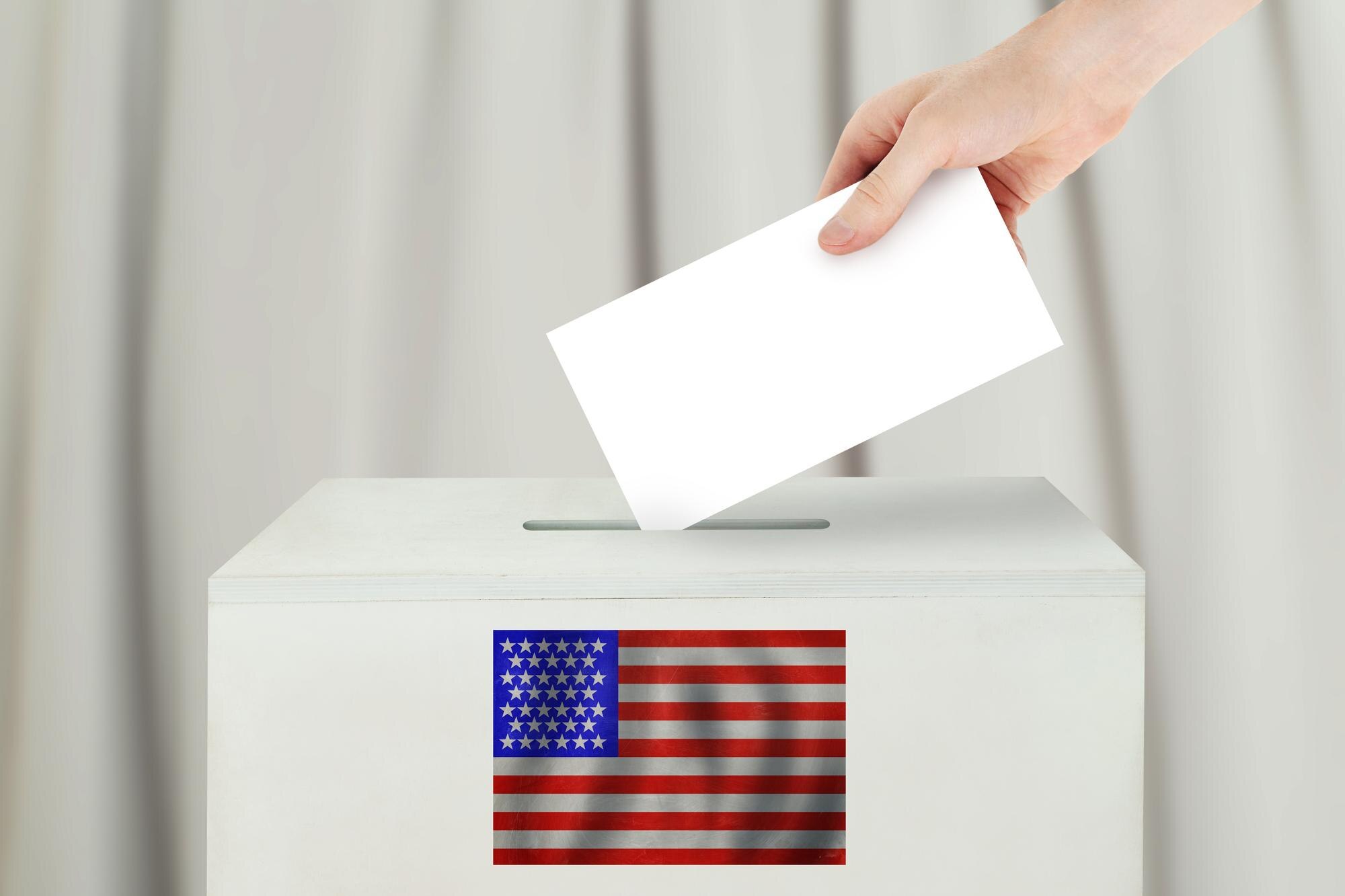
Straight ticket voting means choosing one party’s candidates across multiple offices, either individually or through a single party mark where that option exists. A voter who makes that one mark can still have an unfinished ballot: nonpartisan races and ballot questions need their own selections. The shortcut saves marks, but its reach depends on the ballot.
In This Article
- What Does Voting For One Party Mean?
- Which States Still Offer A Straight-Ticket Option?
- How Does The Single-Mark Option Work?
- How Have Single-Mark Options Changed?
- Which Contests Need Separate Selections?
- Can You Choose A Candidate From Another Party?
- What Are The Shortcut’s Benefits And Limits?
- Key Takeaways
- Frequently Asked Questions
- Check Your Ballot Before You Vote
What Does Voting For One Party Mean?
Consider an imagined ballot slip: Democratic candidates marked for governor, U.S. senator, and state representative, followed by an unmarked mayoral race. The voter has supported a political ticket across the three completed contests. The blank fourth race does not undo those choices or become a vote for anyone.
Whether someone calls that slip a ballot ticket or a vote ticket, the marks tell the story. Choosing the same party across offices is sometimes called straight voting; choosing candidates from different parties is split-ticket voting. Neither pattern requires a special button or box. A voter can make every selection separately and still vote a straight ticket.
Which States Still Offer A Straight-Ticket Option?
Six states put a straight-ticket option on the ballot: Alabama, Indiana, Kentucky, Michigan, Oklahoma and South Carolina. In those states one mark selects a party’s candidates for the partisan offices on the ballot, with the exceptions in the table. Everywhere else, a voter who wants one party’s slate marks each race.
Straight-ticket voting on the November 3, 2026, general election ballot
| State | Party mark available | What the party mark does not cover |
|---|---|---|
| Alabama | Yes | Nonpartisan races and ballot questions |
| Indiana | Yes | At-large races that elect more than one person; nonpartisan races and ballot questions |
| Kentucky | Yes | Nonpartisan races and ballot questions |
| Michigan | Yes, restored in 2019 | Nonpartisan races, such as judicial races, and ballot proposals |
| Oklahoma | Yes | Nonpartisan races and ballot questions |
| South Carolina | Yes | Nonpartisan races and ballot questions |
Source: National Conference of State Legislatures, Straight-Ticket Voting, updated December 9, 2025; Indiana House Enrolled Act 1377 (2026).
Indiana’s at-large exception still applies on November 3, 2026. House Enrolled Act 1377, passed in 2026, lets a straight-party mark count in those races from January 1, 2027, so the change takes effect after this election.
How Does The Single-Mark Option Work?
Michigan ballots use the heading “STRAIGHT PARTY TICKET.” That is a physical place to make a party choice, not merely a description of the voter’s preferences. Where the option exists, straight party voting applies that choice to eligible partisan contests under the state’s rules.
On an electronic system, the party selection may populate candidate choices for review. On paper, the voter marks the designated party area. The common task is to distinguish covered contests from those left untouched, then review the result. The heading offers a shortcut through part of the ballot, not an instruction to stop reading.
How Have Single-Mark Options Changed?
Rules and ballot designs can change. Coverage also depends on the state, as Indiana’s exceptions below show.
In Texas, straight-ticket voting through a single party mark disappeared beginning with the 2020 general election. The extra work happened inside each voter’s ballot: someone supporting one party had to move from office to office and mark its candidates separately. A party decision that once required one mark now required repeated selections. That describes the added task without claiming that every polling place experienced longer lines or a particular increase in voting time.
Texas is one of 11 states that have dropped the option since 2001: New Mexico (2001), Missouri (2006), New Hampshire (2007), Wisconsin (2011, though military and overseas voters keep it), North Carolina (2013), Rhode Island (2014), West Virginia (2015), Iowa and Texas (2017), Pennsylvania (2019) and Utah (2020). Michigan dropped it in 2016 and brought it back in 2019; Indiana removed it in 2016 only for at-large races.
Which Contests Need Separate Selections?
A judicial race presented without party affiliation needs its own mark. So does a proposed constitutional amendment or local bond question. These items may come after the partisan offices, beyond the point where a voter who selected a party might feel finished.
Indiana also excludes partisan at-large contests in which multiple candidates can be elected. Voters make individual selections there, observing the contest’s “vote for” limit. A party label beside the candidates does not bring those races into the shortcut.
Indiana’s straight-party mark includes that party’s presidential ticket.
Can You Choose A Candidate From Another Party?
Michigan allows a voter to select a party and then choose an individual candidate from another party in a partisan contest. That individual choice controls the contest; the party selection continues to apply to the other covered races. Someone could therefore keep a party’s legislative slate while making a different choice for governor.
That override is different from marking two individual candidates in a one-winner race. An optical scanner reads the marks in the candidates’ selection areas; it cannot decide which of two marked candidates the voter intended. If the overvote remains on the cast ballot, that contest receives no counted vote, while valid votes elsewhere still count. Some polling-place scanners flag the problem before the ballot is accepted, giving the voter a chance to correct it. Override rules still depend on the jurisdiction.
What Are The Shortcut’s Benefits And Limits?
The shortcut removes repeated marking for someone committed to a party’s eligible slate. Individual selection adds a different kind of friction: finding the preferred name again under every office, even when the party decision is already settled. For someone comparing candidates office by office, that pause may be useful.
| Voting approach | Best for | Pros | Cons |
|---|---|---|---|
| Straight-ticket shortcut for covered contests | Voters supporting one party in every covered partisan race | One party selection applies to that party’s candidates in covered races | Leaves excluded offices and ballot measures unfinished |
| Straight-ticket shortcut plus candidate exceptions | Voters favoring one party with specific cross-party choices, where overrides are allowed | Preserves the party selection in other covered races | Requires attention to the jurisdiction’s override rules |
| Individual selections, all from one party | Party-loyal voters who want to review each office separately | Makes each candidate choice explicit | Requires a separate mark for each desired choice |
| Individual selections across parties | Voters comparing candidates office by office | Records cross-party choices directly | Requires finding and marking each preferred candidate |
Neither method makes a vote more valid. The useful distinction is whether repetition helps you review your choices or simply makes you record the same party preference again.
Key Takeaways
- A straight ticket describes your choices; a single-mark option describes how you record them.
- Six states offer a party mark in 2026: Alabama, Indiana, Kentucky, Michigan, Oklahoma and South Carolina.
- Indiana shows why even a partisan office can fall outside the shortcut.
- A permitted candidate override is different from an overvote.
- Choose the method that makes your intended selections easiest to follow.
Frequently Asked Questions
What Is Straight Ticket Voting?
It means supporting one party’s candidates across multiple offices. You can leave some contests blank and still follow that pattern in the races you complete.
Can I Support One Party’s Candidates Without A Straight-Party Ballot Option?
Yes, by selecting that party’s candidates individually. If the party has no candidate in a race, you do not have to choose another party’s nominee.
Does A Party Selection Include Nonpartisan Races Or Ballot Questions?
No, those require separate selections. A party endorsement of a nonpartisan candidate or a position on a proposal does not bring either into the shortcut.
Can I Select A Party And Then Choose An Individual Candidate From Another Party?
Yes, where the ballot’s rules permit candidate overrides, as Michigan’s do. The relevant instruction is how an individual candidate mark interacts with the party selection, not simply whether both appear on the ballot.
Where Can I Check The Instructions For My Own Ballot?
Your state or local election office provides official instructions and sample ballots. At a polling place, an election worker can explain the marking procedure without choosing candidates for you.
Does Removing The Single-Mark Option Prevent Voters From Supporting One Party?
No, removing the option changes the marking method, not the available party preference. Texas illustrates the difference between losing a shortcut and losing the ability to support a party’s candidates.
Check Your Ballot Before You Vote
Your official sample ballot is the useful first read: it shows whether a party selection exists and which instructions accompany it. Use that preview to decide whether one party mark fits your intentions or whether individual choices will be easier to follow. Someone with several cross-party preferences may prefer the latter; someone committed to an eligible slate may value the shortcut.
Either choice leaves a review worth doing, on the electronic review screen or on the paper ballot before submission. Procedural help is available if the marks do not match your intentions. The shortcut saves repeated selections. It does not save you from deciding what you want in the contests it leaves untouched, or from reviewing what you have marked.
Sources