Call us now:

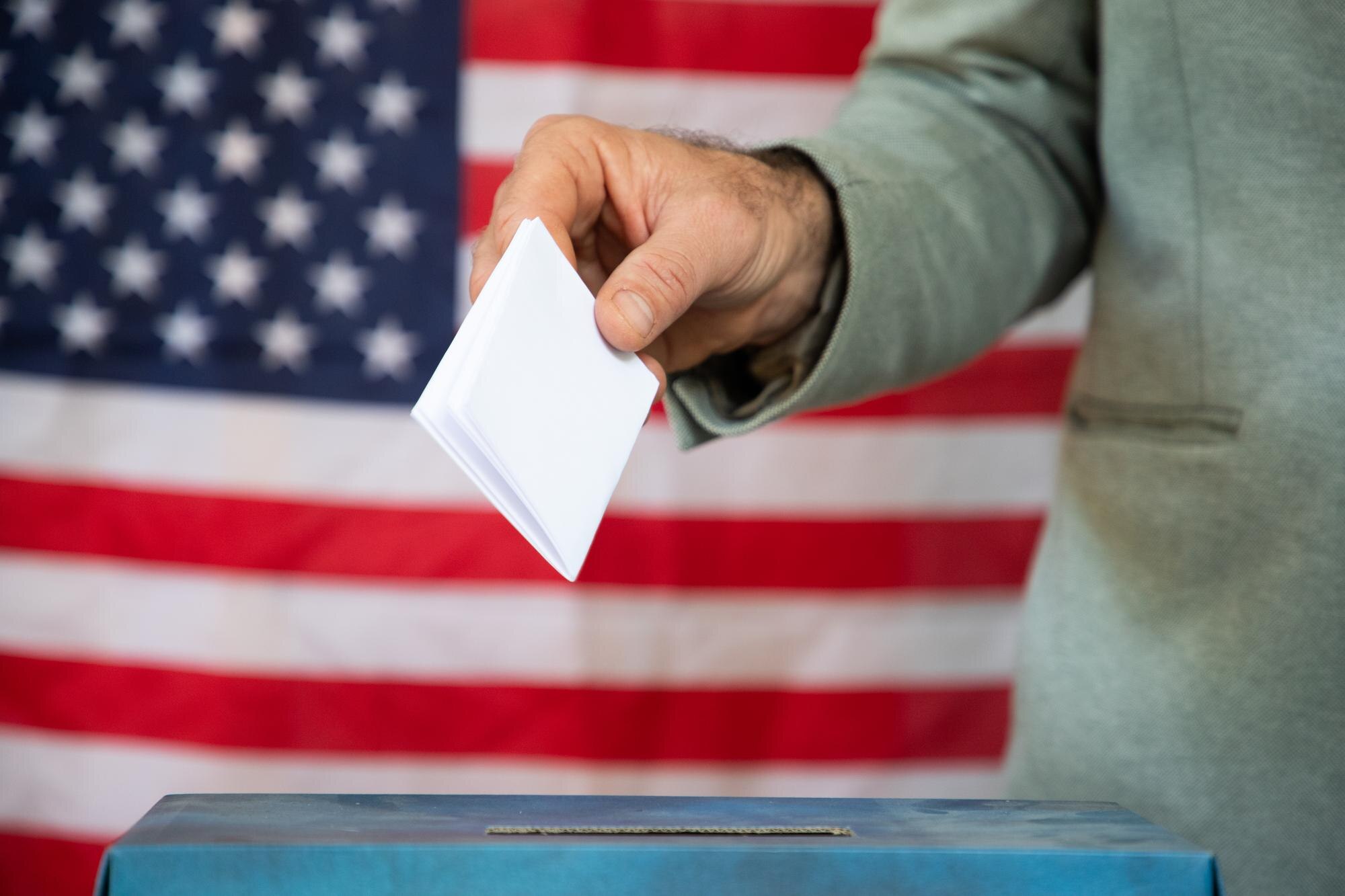
A special election is a vote called for a specific purpose, usually to fill an office before its term ends. A vacant U.S. House seat must wait for voters to choose a replacement; a vacant Senate seat may have an appointed senator serving while an election is arranged. Special elections can also decide ballot questions, and they do not always happen on a separate election day.
The office determines the route to a replacement. In California, that route put an appointed senator before voters twice on one ballot. In San Francisco, it produced a fight over who would hold the mayor’s office until voters could choose.
In This Article
- What Makes an Election Special?
- How House and Senate Vacancies Are Filled
- Special Elections in 2025 and 2026
- What Happens to State, Local, and Presidential Vacancies
- Who Can Vote and How to Cast a Ballot
- How Candidates Qualify and Runoffs Work
- When Results Become Official
- Key Takeaways
- Frequently Asked Questions
- Check Your District’s Official Election Notice
What Makes an Election Special?
California voters encountered Alex Padilla twice on their November 2022 ballot. One Senate contest covered the remainder of the term he was already serving by appointment. The other covered the next full term. Republican Mark Meuser opposed him in both, and Padilla won both elections.
Those were separate decisions, despite the matching candidates. A voter could support someone to finish the unfinished term and choose someone else for the next one. Winning the short-term contest would not, by itself, award the full term.
The California ballot shows why “special” describes an election’s purpose, not necessarily its date. The vacancy election shared the regular election schedule. Elsewhere, a vacancy may bring voters to the polls months before the next scheduled election.
An empty office is not the only reason to call one. A city may hold a special election on a bond proposal or another ballot measure. There, the ballot decides a policy question instead of selecting a replacement officeholder. The official notice identifies which kind of decision voters are making.
How House and Senate Vacancies Are Filled
Padilla reached the Senate through an appointment by California Governor Gavin Newsom in January 2021, replacing Kamala Harris as she became vice president. California law allowed an appointee to serve before voters filled the vacancy. Newsom could not have used the same power to fill a vacant U.S. House seat.
Article I, Section 2 of the Constitution requires an election for a House vacancy. The state’s executive authority issues a writ of election, the formal direction to hold the contest. State law supplies the scheduling and nomination rules. No governor can appoint a voting representative to bridge the gap.
That gap has consequences. The district has no member casting House votes while the seat is empty, even if constituent-service work continues through the vacant office under House procedures. Help with a federal agency does not restore the district’s legislative vote.
For Senate vacancies, state law determines whether a governor can make a temporary appointment and can impose conditions on that choice. The authority is not automatic in every state. It also determines when voters get their turn.
The practical difference is who serves during the wait. California had Padilla in office before his election victories; a House district awaiting its replacement election has no voting member. An appointed senator may run in the ensuing contest, but the appointment itself gives that person no electoral victory.
Special Elections in 2025 and 2026
The 119th Congress shows how often these contests come up. Eleven House seats were filled by special election in 2025 and 2026, after deaths, resignations and moves into other offices. Two Senate seats are on the November 3, 2026, ballot as special elections, sharing it with the regular midterm contests the way Padilla’s unfinished term shared California’s 2022 ballot. In Ohio, the winner serves the remaining two years of the term J.D. Vance left to become vice president; Jon Husted, appointed to the seat in January 2025, faces former Senator Sherrod Brown. In Florida, voters fill the seat Marco Rubio left to become secretary of state.
Special elections to the 119th Congress, 2025-2026
| Seat | How it became vacant | Decided | Winner |
|---|---|---|---|
| Florida’s 1st District | Matt Gaetz (R) resigned | April 1, 2025 | Jimmy Patronis (R) |
| Florida’s 6th District | Michael Waltz (R) became national security adviser | April 1, 2025 | Randy Fine (R) |
| Virginia’s 11th District | Gerald Connolly (D) died | September 9, 2025 | James Walkinshaw (D) |
| Arizona’s 7th District | Raúl Grijalva (D) died | September 23, 2025 | Adelita Grijalva (D) |
| Tennessee’s 7th District | Mark Green (R) resigned | December 2, 2025 | Matt Van Epps (R) |
| Texas’s 18th District | Sylvester Turner (D) died | January 31, 2026, runoff | Christian Menefee (D) |
| Georgia’s 14th District | Marjorie Taylor Greene (R) resigned | April 7, 2026, runoff | Clayton Fuller (R) |
| New Jersey’s 11th District | Mikie Sherrill (D) was elected governor | April 16, 2026 | Analilia Mejia (D) |
| California’s 1st District | Doug LaMalfa (R) died | June 2, 2026 | James Gallagher (R) |
| California’s 14th District | Eric Swalwell (D) resigned | August 18, 2026 | Aisha Wahab (D) |
| Georgia’s 13th District | David Scott (D) died | August 25, 2026, runoff | Everton Blair Jr. (D) |
| U.S. Senate, Ohio | J.D. Vance (R) became vice president | November 3, 2026 | To be decided |
| U.S. Senate, Florida | Marco Rubio (R) became secretary of state | November 3, 2026 | To be decided |
Source: Ballotpedia, Special elections to the 119th United States Congress (2025-2026), read October 19, 2026.
What Happens to State, Local, and Presidential Vacancies
San Francisco’s mayoral vacancy showed how contentious the temporary job can become. After Mayor Ed Lee died in December 2017, Board of Supervisors President London Breed became acting mayor. In January 2018, the supervisors selected Mark Farrell as interim mayor, displacing Breed while she was seeking the elected office.
Voters settled the longer-term question in June 2018, when Breed won the special mayoral election. The person serving during the campaign was therefore not the person voters ultimately chose. The vacancy produced two separate struggles: control of the office during the interim and the election to succeed Lee.
Other state and local offices follow their own governing documents. A state constitution, statute, or city charter may require an election, authorize an appointment, or combine the two. How much time remains in the term can determine whether a separate vote is necessary. That makes the vacancy provision for the particular office more useful than a general rule borrowed from Congress.
The presidency takes another route entirely: constitutional succession, not a special presidential election. Under the Twenty-Fifth Amendment, the vice president becomes president when the president dies, resigns, or is removed. A vacant vice presidency is filled by presidential nomination and majority approval in both houses of Congress, without an immediate nationwide vote.
Who Can Vote and How to Cast a Ballot
New York’s Third Congressional District had a compressed replacement calendar after the House expelled George Santos on December 1, 2023. Governor Kathy Hochul called the special election for February 13, 2024. Voters had little more than two months between the vacancy and election day; Democrat Tom Suozzi defeated Republican Mazi Pilip.
A short calendar makes the voting deadlines consequential. The deadline to request a mail ballot and the deadline to return it are different steps, and waiting for the first can leave less time for the second. Registration deadlines and available early, mail, and in-person voting methods depend on state law. Some states permit eligible voters to register on election day.
Participation does not depend on having voted in the election that originally filled the seat. Eligible voters in the affected jurisdiction can take part, including people who skipped that earlier contest. For a House race, residence in the relevant district matters; residence elsewhere in the state is not enough. A Senate election has a statewide electorate.
A nomination contest can have narrower participation rules. Party registration and the state’s primary system may determine who can vote in a party primary. Skipping that stage does not prevent an otherwise eligible voter from participating in the later election.
The state election authority or county or municipal election office supplies the contest’s voting instructions. Procedures and deadlines can change between elections, so the notice for this particular contest is the useful document.
How Candidates Qualify and Runoffs Work
Georgia’s 2020 special Senate election put Raphael Warnock and Kelly Loeffler on the same ballot alongside other candidates, without first separating the field into party primaries. Neither reached the majority required to win outright. They advanced to a January 2021 runoff, which Warnock won.
Warnock’s first-place finish in November therefore did not fill the seat. It earned him a place in the deciding round. This is what a runoff does: it requires another vote when the initial result falls short of the winning threshold set by law. A close margin alone does not trigger one.
Other contests use plurality voting, where the candidate receiving the most votes wins even without a majority. The difference can determine whether election night ends the campaign or opens another round. Neither rule applies automatically to every special election.
Before that calculation comes ballot access. Candidates must meet the applicable filing requirements and nomination deadlines. Depending on the jurisdiction, parties may hold primaries, use another authorized nomination process, or compete together on one ballot. Announcing a campaign does not establish that a candidate has qualified.
For a voter, the important connection is between the candidate list and the winning rule. A crowded ballot may produce an immediate winner under one system and only runoff qualifiers under another. The election notice and certified candidate list establish what kind of contest is actually underway.
When Results Become Official
Minnesota’s 2008 Senate race illustrates how much can happen after the first count, although it was a regular election, not a vacancy contest. Republican Norm Coleman initially led Democrat Al Franken. A statewide hand recount put Franken ahead, and the dispute continued through the courts into 2009.
The Minnesota Supreme Court’s June 2009 opinion affirmed a judgment finding Franken ahead by 312 votes. The initial leader did not become the senator. Counting and legal review changed the outcome that the early returns had suggested.
The canvass is part of the work between those stages. Election officials review and reconcile returns before the designated officials or board certify the result. Eligible mail ballots and provisional ballots may still require processing after election night under state law. Early totals describe the count so far, not necessarily all valid votes.
Certification formally approves the result through the jurisdiction’s required process. There is no single nationwide certification deadline for vacancy elections, and state law governs recounts and election challenges. A recount reexamines votes already cast; the Georgia runoff described above required voters to cast new ballots.
Once the winner is established, the political consequence is a separate question. A successor from the previous officeholder’s party generally represents a hold, not a flip. An interim appointment can complicate the comparison. Even a genuine party flip in one seat does not necessarily change control of the entire chamber.
Key Takeaways
- Identify the office first: the House replacement process differs from the Senate’s.
- On November 3, 2026, Ohio and Florida fill U.S. Senate seats by special election on the regular ballot.
- A ballot can contain separate contests for an unfinished term and the next full term.
- Eligibility follows the affected jurisdiction, not participation in the previous election.
- The winning threshold determines whether another voting round is necessary.
- Certification, recounts, and legal challenges can extend the process beyond election night.
Frequently Asked Questions
A vacancy can also arise before an elected candidate takes office, leaving voters with another replacement process before the new term has properly begun.
What Are Special Elections?
Special elections are votes called for a particular purpose, often filling an unfinished term or deciding a ballot measure. They need not involve a separate trip to the polls: California’s paired Senate contests show how a special election can share a ballot with a regular one.
What Is a General Election?
A general election is a regularly scheduled election that selects officeholders, usually for the next full term. A primary generally chooses nominees or narrows the field before that election. Ballot measures may appear too, so a general-election ballot can ask voters to make decisions beyond choosing candidates.
Can a Governor Appoint Someone to a Vacant House Seat?
No, a governor cannot appoint a voting member to a vacant U.S. House seat, even when the elected candidate dies before taking office. Luke Letlow died in December 2020 before beginning his House service. His widow, Julia Letlow, won the March 2021 special election for Louisiana’s Fifth District.
Does the Winner Serve a Full Term or the Remainder of an Existing Term?
The winner of a vacancy election generally serves the remainder of the existing term. If that person also wins a separate election for the next full term, the two victories authorize service over different periods. The term dates in the official notice distinguish those jobs even when the candidate names match.
Can a Vacancy Contest Require a Runoff?
Yes, a vacancy contest can require a runoff when its election rules require another round to produce a winner. Georgia’s Warnock–Loeffler contest followed that route across two calendar years. A December-to-January change in the calendar does not turn the runoff into an election for a different term.
Where Can Voters Check Whether Their District Has an Upcoming Contest?
Your state election authority or local election office publishes official information about upcoming contests. Use the notice naming the office and jurisdiction that match your voting address. A statewide announcement about a House vacancy does not mean every voter in that state can participate.
Check Your District’s Official Election Notice
Begin with the official notice for the office or ballot question affecting your address. If you plan to vote, identify the contest’s date and the deadline for the voting method you intend to use. Someone voting by mail needs both the request instructions and the return deadline; someone voting in person needs the location and available hours.
If the ballot lists the same office twice, read the term dates before choosing. One vote may cover the unfinished term and another the next full term. If the notice describes a primary or runoff, it identifies a particular stage of the replacement process. Use that contest-specific information to decide when and how to participate, even if you sat out the previous election.
Sources